
Can Coffee Cause Pimples – Or Is It Something Else?
Coffee is the lifeblood for many—fueling mornings, powering through long days, and even being a comforting ritual. But what if your daily cup of joe is also contributing to that pesky breakout on your face? 🧐 If you’ve ever wondered, “Can coffee cause pimples?” you’re not alone. It’s a question that has crossed many minds, especially if you’ve noticed a flare-up after indulging in your favorite caffeinated beverage.
In this article, we’ll explore whether coffee is really behind your acne or if other factors might be at play. We’ll break down the science, share some helpful tips, and hopefully clear up any confusion about whether your love for coffee is causing those unwanted pimples. So, grab your cup of coffee (or tea, if you’re trying to cut back), and let’s dive in!

Understanding Pimples and Acne
Before we jump into coffee and its potential impact on your skin, let’s quickly review what pimples and acne actually are.
What Are Pimples?
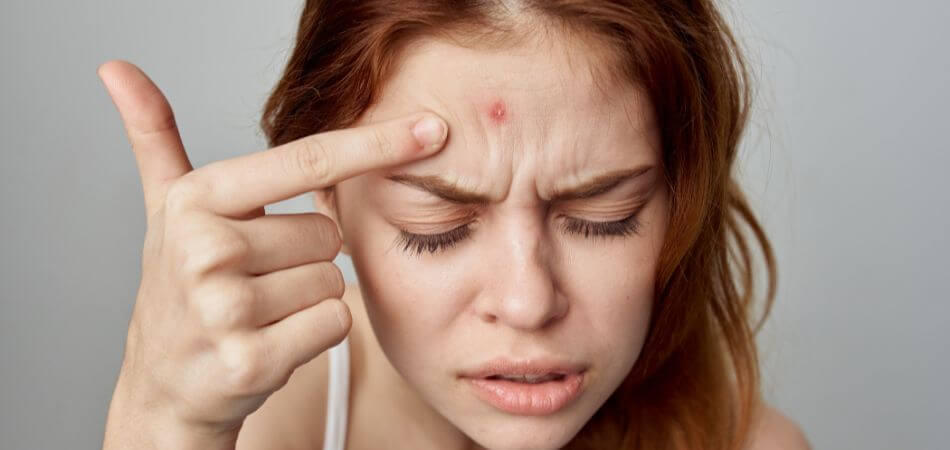
Pimples, also known as acne, are small bumps that appear on the skin, often on the face, chest, back, and shoulders. Acne occurs when your pores become clogged with excess oil, dead skin cells, and sometimes bacteria. The clogged pores create the perfect environment for a pimple to form. There are different types of pimples, such as:
- Whiteheads: Small, white, and raised bumps caused by blocked pores.
- Blackheads: Open clogged pores that appear dark due to oxidation.
- Cystic Acne: Painful, deep pimples that can become inflamed.
How Skin Breakouts Occur
The process starts when excess oil (sebum) produced by sebaceous glands mixes with dead skin cells and becomes trapped in hair follicles. This creates a perfect breeding ground for bacteria, which leads to inflammation and the development of pimples.
Common Causes of Acne
While there are many factors that can contribute to acne, the most common ones include:
- Hormonal Changes (puberty, menstruation, pregnancy)
- Diet (high-sugar foods, dairy)
- Stress
- Genetics
- Medications
Understanding these factors helps in determining whether coffee fits into the acne equation. So, let’s now explore how coffee might impact the body and skin.
How Coffee Affects the Body
Coffee is more than just a pick-me-up—it’s packed with caffeine and other compounds that affect our body in various ways. But how do these components influence your skin?
Coffee’s Main Components
The main ingredient in coffee that we’re concerned with is caffeine. But coffee also contains antioxidants and other natural compounds. Here’s a quick breakdown:
- Caffeine: The stimulant that boosts energy levels and alertness.
- Antioxidants: Help fight oxidative stress and inflammation in the body.
- Chlorogenic Acid: May influence blood sugar levels and insulin sensitivity.
Caffeine and Hormones
One of the key links between coffee and acne could be the impact caffeine has on cortisol, the body’s stress hormone. When you drink coffee, cortisol levels rise, which may lead to:
- Increased oil production in the skin.
- Higher stress levels which could contribute to acne flare-ups.
- Inflammation which worsens acne.
If your body is already prone to producing excess oil or inflammation, the caffeine boost from coffee could potentially make matters worse for your skin.
Can Coffee Cause Pimples? The Short Answer:
The connection between coffee and acne isn’t straightforward. For some, drinking too much coffee could lead to an increase in pimples due to hormonal fluctuations and stress. But for others, coffee may not have much of an effect at all.
Coffee, Dehydration, and Skin Health
You might already know that coffee has a bit of a reputation for being a diuretic. This means that it can make you urinate more frequently, which could lead to dehydration if you don’t drink enough water to compensate. But how does dehydration tie into acne?
The Importance of Hydration for Healthy Skin
Proper hydration is essential for healthy, clear skin. When your skin is dehydrated, it may produce more oil to compensate, which can increase the likelihood of clogged pores and breakouts. So, while coffee itself might not directly cause pimples, the dehydration it triggers could make acne worse if you’re not replenishing lost fluids.
Signs of Dehydration in Your Skin
- Dry, flaky skin
- Dull complexion
- Increased oil production (compensating for dryness)
- More frequent breakouts
To keep your skin healthy and prevent coffee-related dehydration, it’s essential to balance your coffee intake with plenty of water. Aim to drink at least one glass of water for every cup of coffee you consume. 💧

Can Coffee Cause Pimples? The Science Behind the Claims
While many people have asked, “Can coffee cause pimples?” the science on this topic is still a bit mixed. Some studies suggest a connection, while others don’t find any significant links. Let’s take a look at the research to clear things up.
Research on Coffee and Acne
There is some evidence to suggest that caffeine and other compounds in coffee could influence acne. For instance:
- A study published in the Journal of Clinical Investigation found that caffeine can stimulate the production of cortisol, the stress hormone, which can lead to higher levels of oil production and, potentially, more acne.
- Another study indicated that people with a high intake of caffeine experienced more breakouts compared to those who consumed little or no caffeine.
However, other studies have failed to find any direct link between coffee consumption and acne. It seems that coffee’s effects on acne are highly individual—it might cause breakouts for some but not others.
Individual Sensitivity: Why Coffee Affects Some, but Not Others
It’s important to understand that not everyone will experience acne due to coffee. Your body’s reaction to coffee can depend on a variety of factors, including:
- Genetics: Your skin’s natural response to stress and oil production may determine whether coffee causes breakouts.
- Hormonal Fluctuations: Hormonal changes, especially during menstruation or pregnancy, may exacerbate coffee’s effects on your skin.
- Overall Diet and Lifestyle: If you’re eating a diet high in sugar, dairy, or refined carbs, adding coffee may just be the straw that breaks the camel’s back.
So, the bottom line is: coffee may cause pimples for some people, but it’s not a universal trigger. If you suspect coffee is causing your acne, it might be worth cutting back for a while to see if your skin improves.
Other Factors That Could Contribute to Acne
While coffee might play a role, other factors in your lifestyle or diet could also contribute to acne. Let’s take a closer look at some of them.
Sugar and Dairy in Coffee
It’s not just the coffee itself that could be causing pimples—what you add to it might also be a factor. If you’re loading up your coffee with sugar, cream, or milk, these ingredients could be contributing to breakouts.
- Sugar: High-sugar diets have been linked to acne because sugar spikes insulin levels, which can lead to more oil production.
- Dairy: Some studies suggest that dairy products may trigger acne, especially in people who are sensitive to milk’s hormones.
To minimize the risk of coffee-induced breakouts, try drinking your coffee black or with a splash of plant-based milk (like almond or oat milk) instead of heavy cream or regular milk.
Lifestyle Factors That Contribute to Acne
- Stress: Coffee can heighten stress levels, which in turn can lead to increased cortisol and acne.
- Sleep: Drinking too much coffee, especially in the afternoon or evening, can interfere with your sleep cycle. Poor sleep is another common trigger for acne flare-ups.
- Diet: A diet high in processed foods, dairy, and refined carbs can worsen acne, even if you’re not drinking coffee.
Other Skin Conditions That Might Be Linked to Coffee
If you’re concerned about your skin and wondering whether coffee could be contributing, it’s essential to remember that acne isn’t the only skin condition that coffee could impact. Coffee may also:
- Increase Rosacea Symptoms: Some people with rosacea report flare-ups after drinking caffeinated beverages.
- Dry Out Skin: Excessive coffee consumption may lead to overall skin dryness, which can exacerbate skin conditions.
Tips for Preventing Acne While Enjoying Coffee
If you love coffee but want to avoid pimples, don’t worry—you don’t have to give up your daily brew! Here are some tips to keep your skin clear while still enjoying your coffee:
1. Drink in Moderation
- Limit your intake to 1-2 cups of coffee a day. Excessive caffeine can worsen acne for some people.
2. Hydrate
- For every cup of coffee, drink at least one glass of water to stay hydrated. Your skin will thank you!
3. Avoid Excessive Sugar and Dairy
- Try drinking your coffee black or with a dairy-free milk alternative. Skip the sugar or opt for a natural sweetener like honey or stevia.
4. Take Care of Your Skin
- Make sure you have a proper skincare routine to combat acne, regardless of your coffee consumption. Regular cleansing, moisturizing, and using non-comedogenic products can help keep your skin healthy.
5. Reduce Stress
- Practice stress-reducing activities like meditation, yoga, or deep breathing to lower cortisol levels and minimize acne flare-ups.
Conclusion
So, can coffee cause pimples? The answer is: it’s complicated! For some people, coffee may trigger acne due to hormonal changes, dehydration, or the additives they put in their coffee. For others, coffee might have no noticeable effect on their skin. The key takeaway is that everyone’s body responds differently, and moderation is important.
If you suspect that coffee is contributing to your acne, try cutting back for a few weeks and see if your skin improves. And remember, skincare is about the whole picture—diet, hydration, and stress management all play a role in keeping your skin clear.
FAQ
Q1: Can drinking coffee make acne worse?
Yes, for some people, the caffeine in coffee can increase cortisol levels, leading to more oil production and potential breakouts.
Q2: Is it better to drink decaf coffee if I have acne?
Decaf coffee contains less caffeine, so it might be a better option if you’re concerned about the effects of caffeine on your skin.
Q3: What type of coffee is best for acne-prone skin?
Try drinking black coffee or coffee with unsweetened plant-based milk. Avoid sugary coffee drinks that can spike insulin and worsen acne.