Adaptogen Latte at Home (Easy & Healthy Recipe)
Green coffee costs have more than doubled in the last two years, and studies suggest that by 2025, land suitable for coffee production could shrink by as much as 50%. These alarming trends have sparked innovation in the coffee industry, leading to the rise of beanless coffee. But what is beanless coffee made from, and can it truly replicate the experience you expect from your morning cup?
Beanless coffee is crafted from unexpected ingredients like date pits, sunflower seeds, chicory, and even fermented alternatives. As this sustainable option gains traction in cafés worldwide, you’re probably wondering what beanless coffee actually tastes like compared to traditional brews. This guide explores the ingredients, flavor profiles, sustainability benefits, and whether this innovation will reshape your coffee habits.

What Is Beanless Coffee Made From
Beanless coffee relies on plant-based ingredients that undergo careful processing to mimic traditional coffee’s flavor profile and sensory experience. The formulations vary by brand, but most share common foundational elements.
Date seeds and pits
Date seeds serve as the primary ingredient in several beanless coffee brands. Atomo uses date pits for more than 60% of its product, collecting and processing about 10,000 pounds daily from California’s Coachella Valley. These seeds, normally discarded after pitting dates for nutritional bars, get washed, granulated, and infused with a proprietary marinade. The infusion process triggers what manufacturers call a cross Maillard reaction, generating the same 28 compounds found in traditional coffee. Date seeds bring rich fiber content and antioxidants while creating a roasted character that forms the base layer of beanless coffee’s complexity.
Sunflower seeds and pea protein
Sunflower seeds appear in multiple beanless coffee formulations, contributing both structure and nutritional value. Atomo incorporates sunflower seed extract alongside pea protein, while other brands use sunflower seed husks as binding materials. Pea protein adds body and mouthfeel to the brew, helping create that familiar thickness you expect from espresso. These ingredients also boost the protein content, with some lupin-based alternatives reaching 38 grams of protein per 100 grams.
Chicory, lupin, and other legumes
Chicory root has served as a coffee substitute since the Civil War era, offering a naturally bitter, toasted flavor. When roasted, the inulin in chicory caramelizes, reducing bitterness and creating a dark brown color. Northern Wonder builds its blend around lupin beans, chickpeas, and malted barley, while Minus combines chicory with lentils and carob. Lupin, a legume rich in calcium and fiber, requires roasting at 180-200°C, lower than traditional coffee beans but for longer periods.
Fermentation and roasting processes
Singapore-based Prefer uses a fermentation process that converts byproducts from beer, bread, and tofu manufacturing into coffee aroma molecules. This method transforms surplus bread, soybean pulp, and spent barley into coffee-like compounds. Roasting remains critical across all brands, developing the flavor compounds that define coffee’s sensory profile.
Caffeine sources in beanless coffee
Most beanless coffees source caffeine from decaffeinated green tea, with Atomo’s espresso containing 100 milligrams per double shot. The green tea origin provides a steadier energy boost with reduced jitters. Some brands opt for synthetic caffeine, while others like chicory-based products remain naturally caffeine-free.

Does Beanless Coffee Taste Like Real Coffee
Taste tests of beanless coffee have produced sharply divided reactions. At the University of Washington, graduate student Taylor Moore sampled Atomo and declared she could drink it black, which would be “novel” for her. Food & Wine editors reported being “uniformly impressed with its satisfying taste and even-keeled caffeine delivery”.
First-hand taste test experiences
GeekWire’s panel told a different story. Managing Editor Taylor Soper winced after tasting Atomo Ultra Smooth Cold Brew, stating “It’s weird. It doesn’t taste like coffee”. Intern Nate Bek found it “kind of syrupy, and not in a good way,” while health sciences reporter Charlotte Schubert described it as “cloying”. The panel quickly identified two of three Atomo products hidden behind a cardboard barrier.
A BBC reporter trying Atomo espresso in San Francisco found it “tasted close enough to good coffee”. Northern Wonder generated mixed feedback, with one tester describing the aroma as closer to “chickpeas roasting in the oven” and the flavor settling into something resembling “weird Folgers”.
How close it gets to traditional coffee
Atomo describes its espresso as having notes of dark chocolate, graham cracker, and dried fruit. Early prototypes without chlorogenic acid eliminated coffee’s characteristic bitterness, prompting one tester to say “This is what coffee should taste like”. In consumer testing by National Food Labs, Atomo’s cold brew outranked conventional products on preference 2 to 1, with panelists unable to recognize it wasn’t made from coffee beans.
What’s still missing from the experience
The house-filling aroma that real coffee generates remains elusive. Northern Wonder acknowledges this gap and is developing volatile compounds like aldehydes and pyrazines to replicate coffee’s fragrance. Beanless coffee also lacks emotional connections to origin regions like Colombia, Ethiopia, or Indonesia.

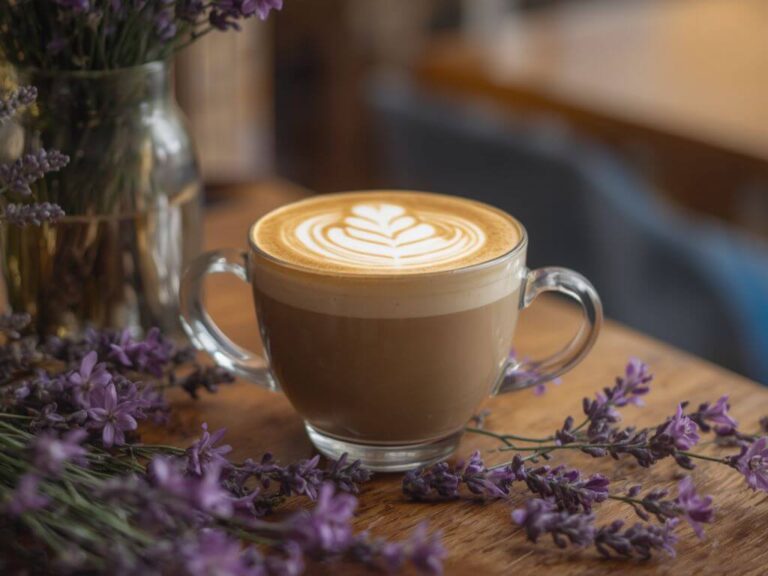
This Adaptogen Latte is creamy, cozy, and easy to make. It combines coffee or milk with adaptogenic ingredients for a flavorful wellness-inspired drink.
Adaptogen Latte Easy Recipe
| Ingredient | Amount |
|---|---|
| Milk of choice (dairy or plant-based) | 1 cup |
| Adaptogen powder blend | 1 teaspoon |
| Honey or maple syrup | 1–2 teaspoons |
| Cinnamon | ¼ teaspoon |
| Vanilla extract | ¼ teaspoon |
| Espresso or strong coffee (optional) | 1 shot |
Instructions
- Heat the milk in a small saucepan until warm but not boiling.
- Add the adaptogen powder, cinnamon, and vanilla extract.
- Whisk well until smooth and frothy.
- Stir in honey or maple syrup.
- Pour in the espresso or coffee if using.
- Serve warm and enjoy.
Tips for the Best Adaptogen Latte
- Use oat milk for an extra creamy texture.
- Blend for 20–30 seconds for café-style foam.
- Sprinkle cinnamon on top for extra flavor.
- Adjust the sweetness to your taste.
The Future of Beanless Coffee
Atomo currently sells beanless coffee in more than 70 coffee shops across the US, including all Bluestone Lane locations since August. Northern Wonder has secured shelf space in 534 grocery stores in the Netherlands and recently entered Switzerland’s supermarkets.
Current market presence and growth
The global beanless coffee market stands at $1.12 billion and projects to reach $2.47 billion by 2033. The broader coffee substitute market will grow from $14.6 billion in 2025 to $22 billion by 2035. Investment momentum continues, with Atomo raising nearly $60 million since 2019 and Singapore’s Prefer securing $4.2 million recently. Suntory Holdings invested in Atomo in December 2023, signaling major beverage companies’ interest.
Challenges to mainstream adoption
The house-filling aroma that real coffee generates remains elusive for beanless brands. Beanless coffee lacks emotional connections to origin regions like Colombia or Ethiopia. Atomo’s main business hurdle involves finding large coffee partners willing to offer consumers this new choice. Cell-based coffee faces lengthy regulatory approval processes, while production costs keep prices above conventional coffee.
Impact on coffee farmers
Over 125 million farmers worldwide rely on coffee production for their livelihoods. Atomo maintains its goal isn’t replacing traditional farmers but offsetting projected demand growth. Coffee producers already face frost, leaf rust, drought, and climate challenges.
Will it replace traditional coffee
Market integration appears more likely than displacement. Beanless coffee will carve out its own space within the broader beverage market rather than threatening coffee’s dominance.
Conclusion
Beanless coffee offers a promising solution to environmental challenges facing the coffee industry. While taste experiences vary, the sustainability benefits are undeniable, with significantly lower emissions and water usage. As the market grows, especially with rising coffee prices, you’ll likely see beanless options appearing alongside traditional brews in your local café. Whether you embrace it depends on your priorities, but this innovation represents a viable complement to your coffee routine rather than a complete replacement.
FAQs
What are the main ingredients used to make beanless coffee?
Beanless coffee is typically made from plant-based ingredients like date seeds and pits, sunflower seeds, chicory root, lupin beans, chickpeas, and malted barley.
Does beanless coffee actually taste like real coffee?
Taste experiences vary significantly among consumers. Some people find beanless coffee remarkably similar to traditional coffee, especially when prepared with milk and sugar, while others notice distinct differences in flavor and aroma.
Does beanless coffee contain caffeine?
Most beanless coffee brands add caffeine sourced from decaffeinated green tea or use synthetic caffeine, typically containing around 100 milligrams per serving. However, some varieties like pure chicory-based products are naturally caffeine-free.
Will beanless coffee replace traditional coffee in the future?
Beanless coffee is unlikely to completely replace traditional coffee but will likely carve out its own market space as a complement to conventional brews. With the global beanless coffee market projected to grow from $1.12 billion to $2.47 billion by 2033, it represents a viable alternative rather than a complete replacement for coffee lovers.