
Can Cats Have Coffee – Risks, Myths & Safe Alternatives
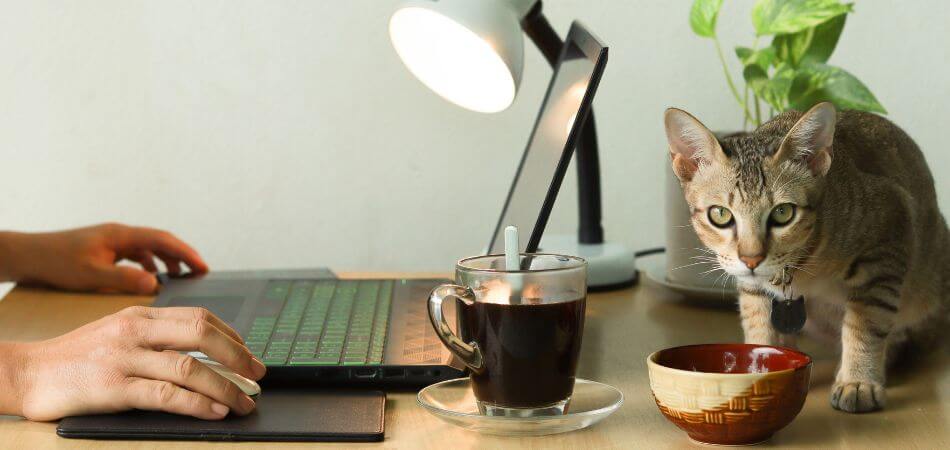
As a cat parent, you’ve probably seen your feline friend curiously sniffing your coffee cup or trying to paw at your mug. It’s tempting to wonder, “Can cats have coffee?” After all, coffee is a beloved morning ritual for many of us, but when it comes to our cats, is it safe to share?
The short answer is no, cats should never drink coffee. Coffee, and caffeine in general, is dangerous for cats. In fact, caffeine can be toxic to them, leading to a variety of harmful effects that can range from mild discomfort to serious health issues. As much as your cat might seem interested in your coffee, it’s important to keep it far out of their reach.
In this blog post, we’ll dive into why coffee is dangerous for cats, how to recognize caffeine toxicity, and what steps to take if your cat gets into your coffee. Plus, we’ll give you tips on how to keep your cat safe from caffeine exposure in the future. So, let’s get into it!
What is Caffeine and How Does It Affect Cats?
What is Caffeine?
Caffeine is a stimulant found naturally in coffee beans, tea leaves, and other plants. For humans, caffeine can give us a burst of energy and help us stay alert. It works by blocking adenosine receptors in the brain, which helps to keep us awake and alert.
But what about our furry companions?
Cats, like humans, can feel the effects of caffeine, but their bodies are much more sensitive to it. While humans may consume coffee or other caffeinated drinks without immediate harm, cats are much more sensitive to caffeine, which makes it dangerous for them.
How Does Caffeine Affect Cats?
Caffeine affects cats in a similar way it does to humans, but with far more intense effects due to their smaller size and faster metabolism. When a cat ingests caffeine, it can lead to symptoms of caffeine toxicity—a serious condition that requires immediate veterinary attention.
Caffeine Toxicity in Cats: Symptoms to Watch Out For
If your cat drinks coffee or eats something containing caffeine, here are some signs to watch for:
| Symptom | What It Means |
|---|---|
| Restlessness | Your cat may appear overly energetic or anxious. |
| Vomiting | Cats often vomit if they’ve ingested something harmful. |
| Tremors or Shaking | Muscle tremors or shaking can occur due to caffeine’s effect on the nervous system. |
| Increased Heart Rate | Caffeine can cause a racing heart, leading to abnormal behavior. |
| Panting or Rapid Breathing | Difficulty breathing may occur in extreme cases. |
The amount of caffeine that can cause toxicity depends on the size of your cat and how much they consumed. However, even small amounts can be harmful, so it’s always best to keep caffeinated products far out of their reach.
What Is the Toxic Dose of Caffeine for Cats?
- The lethal dose of caffeine for cats is estimated to be around 20 milligrams per pound of body weight. For reference, an average cup of coffee contains about 95 milligrams of caffeine.
- Even small amounts of coffee or tea could cause symptoms of toxicity in cats.
To put it simply: a small sip of your coffee could make your cat sick, and a large amount could be life-threatening.
Can Cats Drink Coffee?
The Simple Answer: No, Cats Cannot Drink Coffee
Now that you know the basics of caffeine and how it affects cats, the answer to the question, “Can cats have coffee?” is clear: absolutely not.
Coffee contains high levels of caffeine, which is a dangerous substance for cats. Even if you think your cat is just taking a small sip, the risk is too high. Cats cannot process caffeine the way humans can, and what seems like a harmless curiosity could result in a health emergency.
Common Scenarios Where Cats May Ingest Coffee
Although cats don’t normally seek out coffee, it’s easy for them to ingest it accidentally. Here are some common scenarios where cats might get into your coffee:
- Leftover coffee cups: If you leave your coffee cup unattended, your cat might try to take a sip.
- Spills: Coffee can spill onto the floor, and your cat may lick it up without you even noticing.
- Coffee grounds: Cats might be attracted to the smell of used coffee grounds and could try to eat them, especially if they’re curious or if the grounds have been left out.
Why Is Coffee Dangerous for Cats?
As mentioned earlier, coffee is toxic to cats because of the caffeine it contains. Here’s a quick breakdown of why this is such a serious issue:
- Fast metabolism: Cats metabolize caffeine quickly, which can lead to faster onset of symptoms.
- Small size: Cats are much smaller than humans, meaning even small amounts of caffeine can cause significant effects on their bodies.
- Nervous system: Caffeine acts as a stimulant to the nervous system, and because cats are more sensitive, it can lead to dangerous symptoms like heart palpitations and seizures.
Can Cats Have a Little Bit of Coffee?
Even just a little bit of coffee is unsafe for cats. It’s important to remember that even if your cat only tastes a small amount, the caffeine will still be absorbed into their bloodstream, causing adverse effects. So, there’s no safe amount of coffee for cats.
Why is Coffee Dangerous for Cats?
Now that we know caffeine is harmful to cats, let’s dive deeper into why coffee specifically poses such a risk. It’s not just the caffeine that makes coffee dangerous, but also how cats react to it due to their unique physiology.
1. Cats Have a Higher Sensitivity to Caffeine
Unlike humans, cats have a much more sensitive nervous system. While caffeine gives humans a boost of energy, for cats, even a small amount can cause over-stimulation and stress. Their small size and different metabolic rate mean they cannot process caffeine efficiently, which can lead to toxic reactions.
2. Coffee Can Cause Toxic Effects Quickly
Cats are much more likely to experience rapid side effects from caffeine than humans. This is because caffeine takes less time to build up to dangerous levels in their system. What might seem like a harmless sip can quickly escalate into symptoms of caffeine toxicity. The signs often appear within 30 minutes to 2 hours of ingestion, depending on how much coffee your cat consumes.
3. Caffeine Affects the Cat’s Heart and Nervous System
The most dangerous aspect of caffeine poisoning in cats is its impact on the heart and nervous system. Caffeine is a central nervous system stimulant, which means it can cause hyperactivity, seizures, and even heart problems like arrhythmias (irregular heartbeats).
This can put additional stress on your cat’s body, and in severe cases, it can lead to a heart attack or death if left untreated.
4. Other Ingredients in Coffee Could Be Harmful Too
While caffeine is the main concern, coffee additives like sugar, milk, and flavored syrups aren’t great for cats either. Dairy, for example, is known to upset many cats’ stomachs, causing diarrhea or vomiting. Even if your cat isn’t directly consuming the coffee, it could still ingest harmful ingredients if there’s milk or sugar left behind.
What Should You Do If Your Cat Consumes Coffee?
If your cat has gotten into your coffee, it’s important to stay calm and act quickly. Here’s what you should do:
1. Call Your Veterinarian Immediately
The first thing you should do is contact your veterinarian. They’ll be able to assess the situation and provide advice on the next steps. If it’s after hours, many veterinary clinics have an emergency hotline or an animal poison control service you can contact.
2. Monitor Your Cat for Symptoms
While you wait for advice from your vet, keep an eye on your cat for any symptoms of caffeine poisoning. These may include:
- Vomiting
- Shaking or tremors
- Rapid breathing or panting
- Heart palpitations
- Hyperactivity
If your cat is exhibiting any of these symptoms, let your vet know right away.
3. Don’t Try to Induce Vomiting Without Guidance
In some cases, inducing vomiting can help prevent the caffeine from being absorbed into your cat’s system. However, you should never attempt to induce vomiting without consulting a vet first. Some methods, like using hydrogen peroxide, can be harmful to cats if done incorrectly.
4. Treatment for Caffeine Poisoning
If your vet determines that your cat has consumed a harmful amount of coffee, they may take one or more of the following actions:
- Activated charcoal: To help absorb any remaining caffeine in the stomach.
- Intravenous (IV) fluids: To help flush caffeine out of the system and keep your cat hydrated.
- Medications: To manage symptoms like seizures or irregular heartbeats.
The treatment your cat needs will depend on how much coffee they consumed and how severe their symptoms are.
How to Keep Your Cat Safe from Coffee and Caffeine
The best way to prevent caffeine toxicity is to keep coffee and other caffeinated products out of your cat’s reach. Here are some tips for keeping your cat safe:
1. Keep Coffee and Coffee Cups Out of Reach
Always make sure your coffee cup is out of reach. Cats are curious creatures, and even a small splash of coffee left unattended could be enough to cause harm. Consider using covered mugs or cups with lids if you’re leaving your coffee unattended in an area where your cat has access.
2. Be Cautious with Coffee Grounds and K-Cups
Coffee grounds and used K-cups can also be attractive to cats due to their strong smell. Make sure to dispose of them properly and keep them in a place where your cat can’t reach.
3. Clean Up Spills Immediately
Cats are quick to lap up anything they find on the floor, so if you spill coffee, make sure to clean it up immediately. This includes spills on tables, countertops, or the floor where your cat might investigate.
4. Educate Others in Your Household
If you have other family members, roommates, or guests who enjoy coffee, be sure to educate them about the dangers of caffeine to your cat. Make it a household rule to keep caffeinated drinks out of reach from your furry friend.
5. Provide Safe Alternatives
Instead of sharing your coffee with your cat, why not offer them a safe, enjoyable alternative? Some options include:
- Catnip: Most cats love catnip, and it’s safe for them to enjoy.
- Cat treats: Special treats designed for cats can be a fun way to bond.
- Interactive toys: Keep your cat mentally stimulated and entertained with fun toys that mimic the chase.
Can Cats Be Addicted to Caffeine?
While it’s unlikely for cats to become addicted to caffeine in the same way that humans can, it’s still important to note that caffeine consumption can have long-term negative effects. Cats do not have the ability to build tolerance to caffeine, and even a small exposure could be harmful over time.
Signs of Caffeine Exposure Over Time
- Hyperactivity: Cats may become more excitable, jumpy, or seem unusually restless.
- Anxiety: Excessive caffeine consumption could lead to heightened anxiety or stress in your cat.
- Digestive issues: Regular exposure could cause stomach issues like vomiting or diarrhea.
To avoid these risks, make sure to prevent caffeine from entering your cat’s system in the first place.
Conclusion:
So, can cats have coffee? No, cats should not have coffee. Caffeine is dangerous for cats and can lead to serious health issues like vomiting, seizures, or even death. As a responsible cat owner, it’s essential to keep your caffeinated drinks out of reach and always be aware of the potential risks.
If you ever suspect that your cat has consumed coffee, act fast and contact your vet for guidance. Prevention is key, so be sure to keep your coffee and other caffeinated products in safe places. Your cat’s health and safety should always come first!
Frequently Asked Questions (FAQs):
Can kittens drink coffee?
No, kittens are even more sensitive to caffeine than adult cats. It’s best to avoid caffeine entirely.
What other foods and drinks are dangerous for cats?
Many human foods are harmful to cats, including chocolate, onions, garlic, alcohol, and certain artificial sweeteners like xylitol.
Can my cat ever safely drink anything caffeinated?
No, cats should avoid all caffeinated products, including coffee, tea, and energy drinks. Stick to cat-friendly treats and water for hydration.