
Is Coffee Bad for Dogs? How Much Is Too Much?
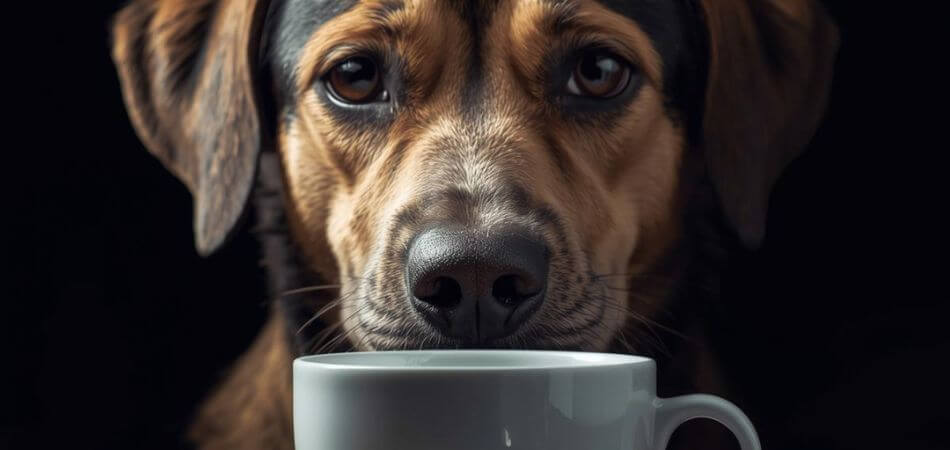
As much as we love our morning cup of coffee, it’s essential to remember that coffee is bad for dogs. Whether it’s a spill on the floor or your dog trying to sneak a sip from your mug, the truth is that coffee (and caffeine in general) can be harmful to our furry friends.
Dogs have a very different metabolism than humans, and something as harmless to us as coffee can pose serious health risks to them. If you’re wondering whether it’s safe to let your dog drink coffee or if they can tolerate caffeine, this article will walk you through the potential dangers and how to keep your pet safe from these risks.
Let’s dive into why coffee is bad for dogs, the symptoms of caffeine toxicity, and what you should do if your dog accidentally consumes coffee.

Why is Coffee Dangerous for Dogs?
Caffeine Toxicity: A Hidden Danger
The primary reason coffee is bad for dogs is caffeine, a stimulant that has powerful effects on the central nervous system. While humans can handle moderate amounts of caffeine, dogs cannot process it efficiently, making them more susceptible to its toxic effects.
Here’s why caffeine is dangerous for dogs:
- Stimulates the Heart: Caffeine can cause a rapid increase in heart rate and blood pressure in dogs, leading to restlessness and anxiety.
- Affects the Nervous System: It can lead to hyperactivity, shaking, or even muscle tremors.
- Can Be Fatal: In large enough doses, caffeine can cause seizures or even death.
How Dogs React to Caffeine
Unlike humans, dogs have a much lower tolerance for caffeine. Their bodies don’t metabolize caffeine the same way, so even small amounts can have serious consequences. In fact, caffeine can start to show harmful effects in as little as 30 minutes after ingestion.
What Happens if a Dog Consumes Coffee?
So, what exactly happens if your dog drinks coffee? Depending on how much they’ve consumed, the effects can range from mild symptoms to life-threatening situations.
Immediate Effects of Coffee on Dogs
If your dog consumes coffee, you might notice the following immediate symptoms:
- Restlessness: Your dog may become unusually hyperactive or agitated.
- Increased Heart Rate: You might notice their heart racing or heavy panting.
- Vomiting: Coffee can irritate your dog’s stomach and lead to nausea or vomiting.
- Diarrhea: In some cases, dogs may experience digestive upset and runny stool.
Serious Risks of Coffee Consumption
- Seizures: High amounts of caffeine can cause seizures, which can be very dangerous.
- Heart Arrhythmia: An abnormal heart rhythm is another serious symptom, and it could lead to more severe heart problems.
- Death: In extreme cases, if enough coffee is consumed, it can be fatal, especially in smaller dogs or those with pre-existing health conditions.
Here’s a quick look at how the severity of symptoms correlates to the amount of coffee consumed:
| Amount of Coffee Consumed | Potential Symptoms |
|---|---|
| Small Amount | Restlessness, increased heart rate |
| Moderate Amount | Vomiting, diarrhea, anxiety |
| Large Amount | Seizures, heart arrhythmias, death |

How Much Coffee is Dangerous for Dogs?
If you’re wondering, how much coffee is bad for dogs? The answer depends on your dog’s size and the amount of caffeine they consume.
Caffeine Content in Coffee
The caffeine content in coffee varies depending on the type of coffee. Here’s a breakdown of the average caffeine content in common coffee drinks:
| Type of Coffee | Caffeine Content (per 8 oz) |
|---|---|
| Brewed Coffee | 95 mg |
| Espresso | 63 mg |
| Decaf Coffee | 2-5 mg |
How Much is Too Much?
- Small Dogs (under 20 lbs): Even a small amount of coffee (around 30-50 mg of caffeine) can cause symptoms like restlessness or vomiting.
- Medium to Large Dogs (over 20 lbs): Larger dogs can tolerate more caffeine but still should not consume more than 100-150 mg.
- Signs of Overdose: If your dog ingests a significant amount of caffeine (more than 150 mg for larger dogs), symptoms like seizures, irregular heartbeat, or even death can occur.
What Should You Do if Your Dog Drinks Coffee?
If you catch your dog sneaking a sip of your coffee, don’t panic! Here’s what to do next:
1. Assess the Situation
- How much did they drink? Try to figure out how much coffee your dog consumed. The more coffee, the more serious the risk.
- What type of coffee? Was it a cup of regular brewed coffee, or did they drink espresso, which has much higher caffeine levels?
2. Contact a Veterinarian Immediately
- Even if you’re unsure about the amount your dog consumed, it’s always best to call your vet right away. They can advise you on whether your dog needs immediate treatment.
- Veterinary Treatment: The vet may induce vomiting or administer activated charcoal to prevent further absorption of caffeine. In more severe cases, intravenous fluids may be required to keep your dog hydrated and support their organs.
Are Other Forms of Caffeine Dangerous for Dogs?
It’s not just coffee that poses a risk to dogs. Caffeine is present in various other products that could also be harmful. If you’ve ever wondered whether other sources of caffeine are just as dangerous, the answer is yes. Here are some common caffeinated products that should be kept away from your pets:
1. Energy Drinks and Soda
- High Caffeine Levels: Many energy drinks and sodas contain caffeine in higher concentrations than coffee, which can be extremely dangerous for dogs.
- Other Harmful Ingredients: In addition to caffeine, energy drinks often contain sugar, artificial sweeteners, and other chemicals that could harm your dog.
2. Tea
- Variety of Tea Types: Tea, especially black and green tea, contains caffeine. While it typically has less caffeine than coffee, it can still be harmful to dogs in large amounts.
- Herbal Teas: While most herbal teas don’t contain caffeine, some blends could have other ingredients (like xylitol or certain herbs) that may be toxic to pets.
3. Chocolate and Caffeine
- Chocolate and Theobromine: While chocolate is often the first food that comes to mind when it comes to pet toxicity, it also contains caffeine. Both caffeine and theobromine (a compound found in chocolate) are harmful to dogs, with darker chocolate being more dangerous.
- Caffeine in Chocolate: Dark chocolate and cocoa powder contain much higher levels of caffeine than milk chocolate, posing a higher risk of poisoning.
4. Medications
- Caffeine in Pills: Some over-the-counter medications, like pain relievers and weight loss pills, contain caffeine. Keep medications out of your dog’s reach, as ingesting these can cause the same symptoms as coffee.
Alternatives to Coffee for Dogs
If your dog loves the aroma of your coffee or seems interested in your morning ritual, it’s essential to find safe alternatives that give them a positive experience without the risks of caffeine.
1. Safe Beverages for Dogs
- Water: The most important drink for your dog is, of course, water! It keeps them hydrated and supports overall health.
- Pet-Specific Drinks: Some companies make dog-friendly beverages, like flavored water or broths designed specifically for dogs. These are great options to keep your pet happy and healthy without the caffeine.
- Caffeine-Free Dog Treats: Look for dog treats that are specially formulated to offer a similar sensory experience to coffee. Some dog treats are made with dog-safe ingredients that mimic the textures and flavors of coffee.
2. Training Tips and Healthy Snacks
- Healthy Dog Snacks: Dogs love treats, but choosing healthy alternatives is key. Try fruit (like apple slices or carrots) or dog-safe cookies to reward your dog.
- Interactive Toys: To engage your dog’s mind and body in a positive way, invest in toys like puzzle feeders, which are stimulating and help curb unwanted behaviors.
Conclusion: Is Coffee Bad for Dogs?
So, is coffee bad for dogs? Absolutely! Coffee and other caffeine-containing products can be toxic to dogs and should be kept out of their reach. Even small amounts of coffee can cause restlessness, heart problems, and, in extreme cases, death. The caffeine in coffee overstimulates your dog’s nervous system and heart, making it a dangerous substance for pets.
To ensure your dog stays safe, avoid giving them coffee, tea, energy drinks, or any food containing caffeine. If your dog does accidentally consume caffeine, contact your vet immediately. Quick action can help prevent severe symptoms and keep your furry friend safe.
🐕 Is Coffee Bad for Dogs? – FAQs & Answers
2️⃣ Why is caffeine dangerous for dogs?
Dogs can’t process caffeine like humans do. It overstimulates their nervous system and heart, leading to symptoms such as restlessness, rapid heartbeat, tremors, and seizures.
3️⃣ How much coffee is toxic to dogs?
Even a few sips of coffee can be harmful, especially for small dogs. A toxic dose of caffeine is around 20 mg per pound of body weight, but symptoms can appear at much lower levels.
4️⃣ Can dogs drink decaf coffee?
🚫 No. Decaf coffee still contains caffeine and other harmful compounds. It’s never safe for dogs.
5️⃣ What should I do if my dog drinks coffee?
Act fast!
- Call your vet immediately
- Contact pet poison control
- Do not wait for symptoms to appear
Early treatment can save your dog’s life.
6️⃣ What are the symptoms of caffeine poisoning in dogs?
Watch for these warning signs ⚠️:
- Hyperactivity or restlessness
- Vomiting or diarrhea
- Rapid breathing
- Elevated heart rate
- Muscle tremors
- Seizures
- Collapse
If you notice any of these, seek emergency care right away.
7️⃣ Are coffee grounds and beans dangerous to dogs?
⚠️ Yes—very dangerous. Coffee grounds and beans contain concentrated caffeine and are even more toxic than brewed coffee.
8️⃣ Can dogs lick coffee foam or spilled coffee?
Even small licks can be risky. While it may not always cause poisoning, it’s best to prevent all exposure to be safe.
9️⃣ Is coffee ice cream or coffee-flavored treats safe for dogs?
❌ No. Coffee-flavored foods often contain caffeine, chocolate, or artificial swe