
Does Coffee Make You Pee or Dehydrate You? Facts vs Myths
Coffee is the fuel that gets many of us through the day. Whether it’s that first cup in the morning or a mid-afternoon pick-me-up, coffee is a constant in daily life. But have you ever noticed the urge to run to the bathroom after a few cups of your favorite brew? If you’ve ever wondered “Does coffee make you pee?”, you’re not alone!
Coffee, especially the caffeine in it, can affect your body in various ways, and one of the most common effects is frequent trips to the bathroom. In this article, we’ll explore the science behind why coffee makes you pee and whether it’s something you should be concerned about.

How Coffee Affects Your Body
Caffeine as a Diuretic
One of the most important factors when answering the question “Does coffee make you pee?” is caffeine. Caffeine, the key ingredient in coffee, is a mild diuretic, meaning it can increase urine production. It works by stimulating the kidneys to release more sodium and water, which then gets flushed out through your urine.
- Diuretic Effects: Caffeine increases the production of urine, which leads to more frequent bathroom trips.
The Role of the Kidneys
Your kidneys are responsible for filtering excess waste and fluids from your body, turning it into urine. When you consume caffeine, it prompts the kidneys to increase their filtration rate, resulting in more urine being produced.
Increased Urine Production
When coffee is consumed, it can have a noticeable effect on your bladder. Caffeine, by promoting fluid release, can lead to increased urination frequency. So yes, coffee really can make you pee more often!
Why Does Coffee Make You Pee?
You might be wondering why coffee, more specifically caffeine, has this diuretic effect. Let’s break it down:
Caffeine’s Impact on Fluid Balance
Caffeine increases blood flow to the kidneys, which enhances the filtration process. This leads to a greater excretion of sodium and water, making you feel the need to urinate more frequently.
Bladder Stimulation
Apart from its effect on the kidneys, caffeine can also stimulate the bladder. This means that coffee can make your bladder feel fuller, prompting the urge to pee sooner. This combined effect (from both kidneys and bladder) is what makes coffee a natural diuretic.
Increased Frequency of Bathroom Trips
The more coffee you drink, the more caffeine enters your system. As a result, the frequency of bathroom trips increases, especially if you’re consuming coffee throughout the day.

Does Coffee Cause Dehydration?
A common myth is that coffee leads to dehydration, but let’s clear that up!
Common Misconception: Coffee and Dehydration
It’s often believed that coffee dehydrates you due to its diuretic properties, but research suggests otherwise. The diuretic effect of coffee is mild, and moderate coffee consumption does not significantly contribute to dehydration. In fact, coffee still provides hydration as part of your daily fluid intake.
Hydration and Coffee
While caffeine does increase urination, it doesn’t dehydrate you to the extent that it outweighs the hydration you gain from drinking the coffee itself. Coffee, like any beverage, contributes to your daily water intake.
Balance Between Diuretic and Hydrating Effects
- Moderate coffee intake (1–2 cups per day) will likely have a neutral effect on hydration, meaning you won’t lose more water than you’re consuming.
- However, excessive consumption of coffee (more than 4–5 cups per day) could lead to increased urination, which might lead to a slight risk of dehydration, but only if you’re not balancing it with enough water.
How Much Coffee Makes You Pee?
If you’re wondering exactly how much coffee it takes to make you pee, the answer isn’t one-size-fits-all. The amount of coffee you consume, your caffeine sensitivity, and individual metabolism all play a role.
Quantity Matters: How Much Coffee is Too Much?
- 1 to 2 cups: For most people, drinking 1 to 2 cups of coffee will have a mild diuretic effect. You might notice that you have to pee a little more than usual, but it’s unlikely to be a major inconvenience.
- 3 or more cups: Drinking more than three cups a day can increase the frequency of bathroom trips. For some people, this may lead to a noticeable urge to urinate more often throughout the day.
Sensitivity to Caffeine
- Some people are more sensitive to caffeine than others. If you’re highly sensitive, even a small amount of coffee can trigger frequent bathroom breaks.
- On the other hand, people who drink coffee regularly may build up a tolerance to caffeine’s diuretic effects, meaning they may pee less often compared to those who rarely consume it.
Factors Influencing the Effect
- Coffee Strength: The stronger the coffee, the more caffeine it contains, which could lead to more frequent urination. A dark roast typically has less caffeine than a light roast, so if you’re sensitive to caffeine, you might want to opt for a lighter brew.
- Body Size and Hydration: Your overall hydration levels and body size also affect how much coffee makes you pee. Someone who’s well-hydrated might not notice the effects as much as someone who’s already dehydrated.
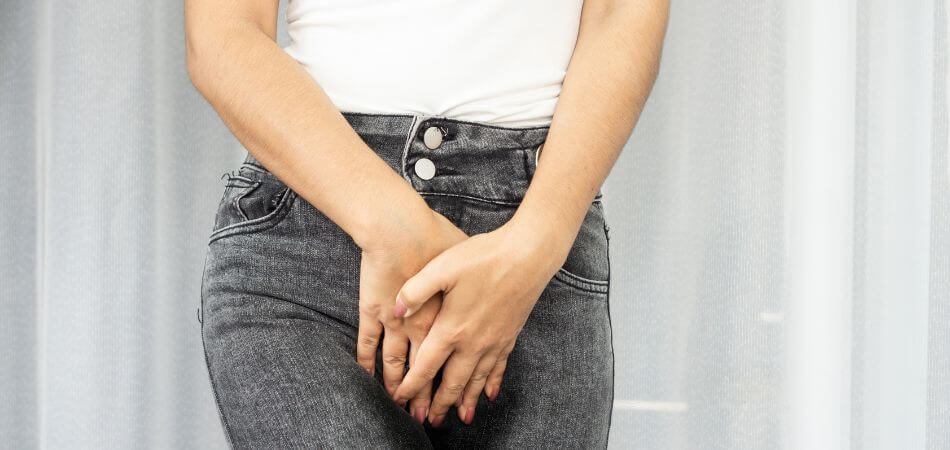
Health Considerations and Coffee’s Diuretic Effects
For most people, coffee’s diuretic effects are harmless, but there are certain health considerations to keep in mind.
Potential Risks for People with Certain Conditions
If you have a bladder condition or other health concerns, coffee might exacerbate your symptoms. Here’s how:
- Overactive Bladder: People with an overactive bladder might find that coffee triggers more frequent urges to urinate.
- Irritable Bladder: For those with a sensitive bladder, coffee might lead to discomfort or urgency.
- Urinary Tract Infections (UTIs): Coffee can irritate the bladder and urinary tract, which may be uncomfortable for people prone to UTIs.
Moderation is Key
For most individuals, moderate coffee consumption will not cause any significant health issues. However, if you experience increased frequency or urgency of urination that interferes with your daily life, it might be a good idea to:
- Cut back on coffee.
- Switch to decaffeinated coffee.
- Consult with a healthcare professional if you have an underlying health condition.
Conclusion: Does Coffee Make You Pee?
So, does coffee make you pee? Yes, it does, thanks to the caffeine’s mild diuretic effect on your kidneys and bladder. But don’t worry—coffee’s impact on your urination frequency is generally mild and harmless for most people, especially when consumed in moderation.
❓ FAQ: Does Coffee Make You Pee?
1️⃣ Does coffee really make you pee more?
Yes, coffee can make you pee more, especially if you’re not a regular coffee drinker. The caffeine in coffee acts as a mild diuretic, meaning it can increase urine production for some people.
2️⃣ Is caffeine the main reason coffee makes you pee?
Yes. Caffeine is the main reason. It stimulates the kidneys and reduces water reabsorption, which leads to increased urine output.
3️⃣ Do regular coffee drinkers pee less after drinking coffee?
Yes. Regular coffee drinkers build caffeine tolerance, so the diuretic effect becomes much weaker over time.
5️⃣ Does coffee cause dehydration?
No, coffee does not cause dehydration when consumed in moderation. The fluid in coffee helps balance out caffeine’s mild diuretic effect.
6️⃣ How soon after drinking coffee do you need to pee?
Most people feel the urge to pee within 30 to 60 minutes after drinking coffee, depending on caffeine sensitivity and hydration levels.
7️⃣ Does iced coffee make you pee more than hot coffee?
No. Temperature doesn’t matter. The caffeine content—not whether the coffee is hot or cold—determines its effect on urination.
8️⃣ Does coffee affect bladder health?
For some people, coffee may irritate the bladder, especially those with overactive bladder or urinary sensitivity.