What Is a Latte? Your Questions Answered (+ Easy Recipe)
Ever walked into a coffee shop and wondered, “What is a latte exactly?—and why does everyone love it so much?” You’re not alone! This creamy, dreamy drink has won hearts worldwide, but what makes it different from a cappuccino or a flat white? And can you make one at home without fancy equipment?
A latte (short for caffè latte, meaning “milk coffee” in Italian) is the perfect balance of rich espresso, velvety steamed milk, and a light foam layer. It’s smoother than a cappuccino, milkier than a macchiato, and endlessly customizable—whether you love it iced, flavored with vanilla, or made with oat milk.
In this guide, we’ll break down:
✔ What goes into a latte (espresso vs. milk ratios)
✔ How it’s different from other coffee drinks
✔ Step-by-step instructions to make one at home
✔ Popular variations (including global twists like matcha lattes)
✔ How to order like a pro (Starbucks hacks included!)
Ready to become a latte expert? Let’s dive in!

The Anatomy of a Latte
Espresso: The Heart of the Drink
Every latte starts with a shot (or two) of espresso. This concentrated coffee is brewed by forcing hot water through finely-ground beans, creating a bold, rich base. Without espresso, it’s just steamed milk—so quality matters!
🔹 Pro Tip: Use freshly ground beans for the best flavor. A single shot has about 63mg of caffeine, while a double has 120mg+.
Steamed Milk: The Creamy Backbone
The magic of a latte lies in its steamed milk, making up about ⅔ of the drink. Unlike a cappuccino (which is airier), lattes have a smooth, liquid texture—almost like melted ice cream.
🔹 Fun Fact: Whole milk froths best, but oat milk (like Oatly) is a close second for creaminess.
Milk Foam: The Light Finishing Touch
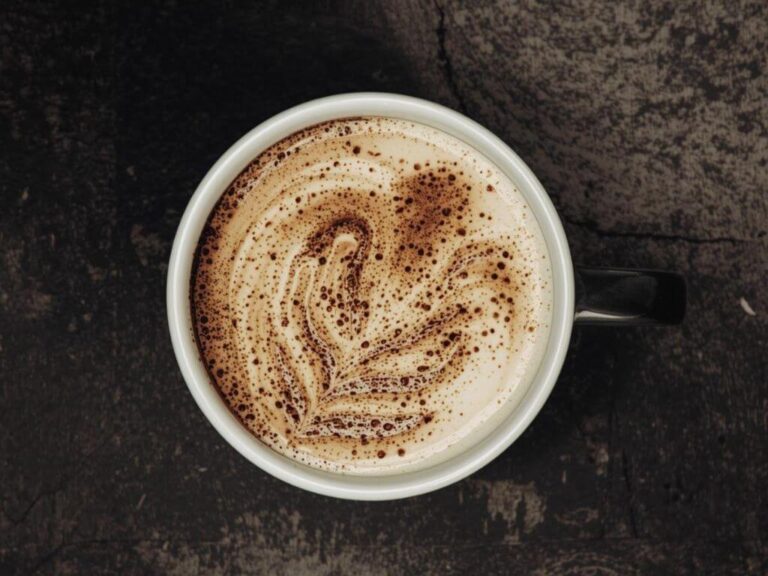
A latte has just a thin layer of foam (about 1cm), unlike the thick foam cap of a cappuccino. Skilled baristas use this foam to create latte art—think hearts, rosettas, or even intricate designs.
🔹 Try This: Tap your milk pitcher on the counter before pouring to remove large bubbles for silkier foam.
The Perfect Ratio
A standard latte follows this formula:
- 1/3 espresso (1-2 shots)
- 2/3 steamed milk
- A dollop of foam
But coffee shops often tweak this—Starbucks’ lattes are milkier, while Italian versions are stronger.

Latte vs. Other Coffee Drinks (Spot the Difference!)
Latte vs. Cappuccino
- Cappuccino: Equal parts espresso, steamed milk, and thick foam (think “fluffy pillow”).
- Latte: More milk, less foam—smoother and creamier.
🔹 Best For: Latte if you love milkiness; cappuccino if you prefer foam.
Latte vs. Flat White
- Flat White: Stronger espresso taste with microfoam (no dry foam). Often smaller (5-6oz).
- Latte: Milder, milk-forward, and usually larger (8oz+).
🔹 Origin Story: Flat whites came from Australia/New Zealand as a “stronger latte.”
Latte vs. Macchiato
- Macchiato: Just espresso “marked” with a splash of milk (or foam). Bold and short.
- Latte: Milk-heavy and mellow.
🔹 Memory Trick: “Macchiato” means “stained” in Italian—like coffee stained with milk.

How to Make a Latte at Home (Even Without an Espresso Machine!)
So you want to make a latte at home? Great news—you don’t need a fancy espresso machine to pull it off! Here’s how to craft café-quality lattes with basic tools.
What You’ll Need:
✔ Espresso or strong coffee – If you don’t have an espresso machine, use:
- A Moka pot (stovetop espresso maker)
- AeroPress (with a fine grind)
- Extra-strong brewed coffee (2 tbsp grounds per 6 oz water)
✔ Milk – Whole milk froths best, but oat, almond, or soy milk work too.
✔ Frothing tool – A handheld frother, French press, or even a whisk in a pinch.
✔ Thermometer (optional) – Ideal milk temperature: 150°F (65°C).
Step-by-Step Method:
1. Brew Your Espresso (or Strong Coffee)
- If using an espresso machine, pull 1-2 shots (about 1-2 oz total).
- No machine? Use a Moka pot or AeroPress for concentrated coffee.
2. Steam or Froth Your Milk
- With a steamer wand: Submerge just below milk’s surface for microfoam.
- Without a steamer? Try these hacks:
- Microwave + French press: Heat milk, then pump the plunger until frothy.
- Handheld frother: Whisk milk in a tall container until velvety.
- Jar method: Shake warm milk in a sealed jar, then microwave for 30 sec.
3. Combine & Pour
- Pour espresso into a cup.
- Slowly add steamed milk, holding back foam with a spoon.
- Top with a thin foam layer (or try latte art!).
🔹 Pro Tip: Pour from high up for better mixing, then lower for foam control.

Popular Latte Variations to Try
One of the best things about lattes? You can customize them endlessly! Here are some delicious twists to explore.
1. Flavored Lattes
- Vanilla Latte: Add ½ tsp vanilla syrup.
- Caramel Latte: Drizzle caramel sauce on top.
- Pumpkin Spice Latte: Mix in pumpkin puree + spices (cinnamon, nutmeg, clove).
2. Iced Latte
- How to make it:
- Pour espresso over ice.
- Add cold milk (no frothing needed).
- Stir and enjoy!
🔹 Bonus: Try cold foam (frothed cold milk) for extra decadence.
3. Alternative Milk Lattes
- Oat Milk Latte: Creamy and slightly sweet.
- Almond Milk Latte: Nutty and light.
- Coconut Milk Latte: Tropical twist (great iced!).
4. Global Latte Variations
- Matcha Latte: Whisk matcha powder with hot water, then add steamed milk.
- Chai Latte: Steep chai tea in milk, add espresso (or skip it for a “dirty chai”).
- Turmeric Latte (Golden Milk): Spiced with turmeric, cinnamon, and black pepper.
🔹 Fun Fact: In Italy, ordering a “latte” will get you a glass of milk—always say “caffè latte!”
Why Do People Love Lattes?
1. Perfect Coffee-to-Milk Ratio
Lattes strike the right balance—smooth but not too weak, creamy but not too heavy.
2. Customizable
Want extra caffeine? Add a shot. Prefer it sweet? Add syrup. The options are endless!
3. Latte Art Makes It Instagram-Worthy
From hearts to swans, latte art turns your drink into a mini masterpiece.
4. Pairs Well with Food
- Morning: Great with pastries or avocado toast.
- Afternoon: Complements chocolate or biscotti.
🔹 Did You Know? The world record for largest latte art featured a 10-foot-wide design!

How to Order a Latte Like a Pro
Don’t just say, “I’ll have a latte.” Level up your coffee order with these tips:
1. Choose Your Size Wisely
- Small (8oz): Stronger coffee flavor.
- Medium (12oz): Standard balance.
- Large (16oz+): Milder, milkier (Starbucks’ default).
2. Customize Like a Barista
- “Double shot” – For extra caffeine.
- “Extra hot” or “Kids’ temp” – Adjust milk temperature.
- “Light foam” or “Dry” – More/less foam.
3. Syrup & Milk Hacks
- Sugar-free? Try vanilla or cinnamon powder.
- Dairy-free? Oat milk blends best with espresso.
🔹 Starbucks Secret: Order a “Blonde Latte” for a smoother, sweeter espresso taste.
Frequently Asked Questions (FAQs)
Is a latte stronger than regular coffee?
- No! A latte has less caffeine per ounce than drip coffee since it’s diluted with milk.
Can I make a latte without an espresso machine?
- Yes! Use strong brewed coffee or a Moka pot + frothed milk.
How many calories are in a latte?
- ~120-220 calories (depends on milk & sweeteners). Skim milk = fewer calories; syrups = more.
Conclusion: Time to Sip & Enjoy!
Now you know what a latte really is—not just a milky coffee, but a perfectly balanced espresso drink with endless possibilities. Whether you prefer it classic, iced, or flavored, there’s a latte for every mood.
Your Turn!
👉 What’s your favorite latte variation? Have you tried making one at home? Share your coffee stories in the comments!
And next time you’re at a café, order with confidence—you’re officially a latte expert. ☕