
Coffee Toxicity in Pets: Safety Guide for Pet Owners
Coffee toxicity in pets occurs when a dog or cat consumes enough caffeine to cause harmful effects. The risk depends on the amount consumed, the type of coffee product, and the pet’s size and health. Coffee grounds and beans can be especially concerning because they contain concentrated caffeine.
The good news is that quick veterinary care can make a difference. In this guide, you’ll learn about caffeine poisoning in pets, its warning signs, what to do after accidental exposure, and how to keep your pets safe.

What Is Coffee Toxicity in Pets?
Coffee toxicity in pets is a form of caffeine poisoning. Caffeine is a stimulant that affects the brain, nervous system, and heart. While people often drink it to feel more alert, pets can experience harmful effects after consuming too much.
Dogs and cats are sensitive to caffeine. Depending on the dose, poisoning may cause vomiting, restlessness, a rapid heartbeat, muscle tremors, or seizures. Severe cases can become life-threatening.
Caffeine poisoning does not come only from drinking coffee. Pets may also be exposed by eating coffee beans, grounds, tea bags, caffeine tablets, or energy products.
The important thing to remember is that coffee is not a safe treat for dogs or cats. If your pet consumes coffee or another caffeine-containing product, contact a veterinarian promptly for advice.
Can Dogs and Cats Drink Coffee?
No. Dogs and cats should not be given caffeinated coffee, even if they seem interested in your morning drink. Their bodies can react badly to caffeine, and the risk increases with the amount consumed.
Is Coffee Toxic to Dogs?
Yes, coffee can be toxic to dogs. A small lick may not cause poisoning in most cases, but larger amounts can lead to serious health problems. Coffee beans, espresso beans, and unused coffee grounds are particularly concerning because they contain concentrated caffeine.
Dogs may also drink coffee left on a table or eat grounds from an accessible trash can. If this happens, contact your veterinarian rather than guessing whether the amount was safe.
Is Coffee Toxic to Cats?
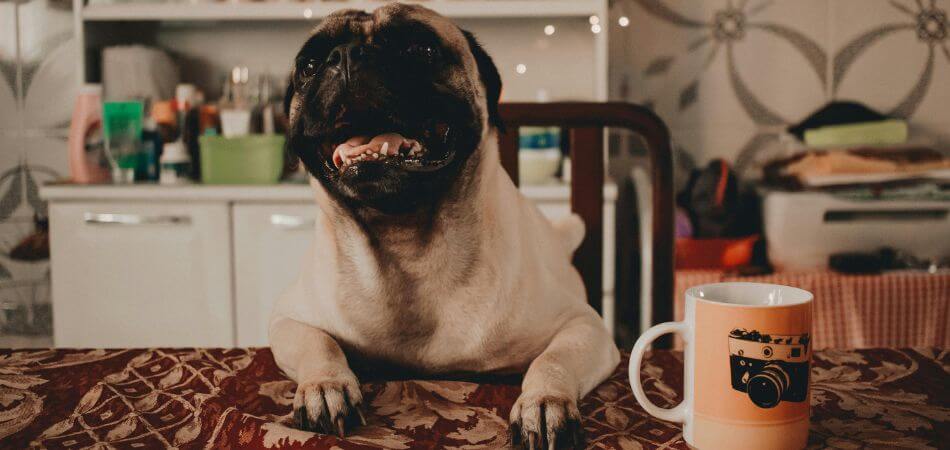
Yes. Cats can also experience caffeine poisoning. They may accidentally drink coffee from an unattended mug or lick a coffee spill.
Although cats are often less likely than dogs to eat random food scraps, their curiosity can still put them at risk. Keep coffee and other caffeinated products away from cats.
Which Coffee Products Are Dangerous to Pets?
Several everyday products can expose pets to caffeine. Knowing which items to store safely can help prevent accidental poisoning.
- Brewed coffee and espresso: Both contain caffeine, although the concentration varies.
- Coffee beans and grounds: These can contain concentrated caffeine, making accidental ingestion especially concerning.
- Instant coffee: Coffee powder can expose pets to caffeine in a small, concentrated amount.
- Coffee pods: Pets may chew through pods and consume the contents.
- Caffeine tablets and energy drinks: These products can deliver high doses of caffeine.
- Coffee desserts: Tiramisu, chocolate-covered espresso beans, and other coffee-flavored treats may contain caffeine or additional harmful ingredients.
Even decaffeinated coffee contains some caffeine. Do not assume it is harmless if your pet consumes a large amount.
Symptoms of Coffee Toxicity in Pets
Recognizing the symptoms of caffeine poisoning can help you act quickly. Signs often begin within a few hours of ingestion, although timing and severity vary.
Watch for these warning signs:
- Restlessness, unusual excitement, or hyperactivity
- Vomiting or diarrhea
- Panting or unusually fast breathing
- Rapid or irregular heartbeat
- Increased thirst or urination
- Muscle twitching or tremors
- Weakness, seizures, or collapse in severe cases
A pet may initially seem normal even after swallowing a dangerous product. Do not wait for symptoms to appear before contacting a veterinarian if you know or suspect your pet has consumed coffee grounds, beans, or another significant source of caffeine.
How Much Coffee Is Toxic to Pets?
There is no single amount of coffee that is dangerous for every pet. The risk depends on the pet’s body weight, the caffeine concentration, the amount consumed, and individual health factors.
For example, a small dog that eats coffee grounds may face a greater risk than a large dog that takes a tiny lick of diluted coffee. However, you should not use this comparison to decide that an exposure is safe.
Coffee beans and unused grounds can contain much more concentrated caffeine than a typical sip of brewed coffee. Caffeine tablets and supplements can also cause severe poisoning.
If your pet consumes any potentially dangerous amount of caffeine, contact a veterinarian or animal poison-control service. Tell them your pet’s weight, the product involved, the estimated amount, and when the exposure happened. They can help assess the risk.

What to Do If Your Pet Drinks Coffee
If your dog or cat drinks coffee or eats coffee grounds, stay calm and take these steps.
- Remove the coffee: Keep your pet away from the spill, cup, beans, or grounds.
- Contact a veterinarian immediately: Explain what happened and follow their instructions.
- Gather information: Note your pet’s approximate weight, the product, the estimated amount consumed, and the time of exposure.
- Keep the packaging: If your pet ate instant coffee, caffeine tablets, or another packaged product, keep its label available.
- Watch for symptoms: Look for vomiting, restlessness, tremors, or changes in breathing while arranging professional advice.
Never try to make your pet vomit or give home remedies unless a veterinarian specifically tells you to do so. If your pet has seizures, collapses, or struggles to breathe, seek emergency veterinary care immediately.
How Do Veterinarians Treat Caffeine Poisoning?
Treatment depends on the amount of caffeine consumed, the time since ingestion, and the pet’s symptoms.
A veterinarian may recommend removing the remaining toxin from the digestive system when appropriate and safe. Depending on the case, treatment may include activated charcoal, intravenous fluids, heart monitoring, and medication to control tremors or seizures.
Pets with serious symptoms may need hospital care so the veterinary team can monitor their heart rate, body temperature, and nervous system.
Never attempt these treatments at home. Inducing vomiting or giving medication without veterinary guidance can cause additional harm.
Early treatment is important because caffeine poisoning can worsen quickly. If you suspect your pet has swallowed coffee grounds, beans, or a concentrated caffeine product, seek professional advice even if your pet appears normal.
How to Prevent Coffee Toxicity in Pets
The easiest way to protect pets from caffeine poisoning is to prevent access to coffee products in the first place.
- Store coffee beans, instant coffee, and grounds in sealed containers inside closed cabinets.
- Keep coffee mugs and iced coffee glasses away from the edges of tables.
- Dispose of used grounds and coffee pods in a secure, covered bin.
- Clean up spills immediately.
- Store energy drinks, caffeine tablets, and supplements out of reach.
- Ask family members and guests not to give coffee or coffee-flavored treats to pets.
- Keep chocolate-covered espresso beans and other caffeinated desserts safely stored.
Remember that even used coffee grounds may contain caffeine. A trash can that seems secure to you may be easy for a curious dog to open.
Making a few simple changes to your daily coffee routine can reduce the risk of accidental exposure and help keep your pets safe.
Frequently Asked Questions
Can one sip of coffee hurt a dog?
A small lick is unlikely to cause poisoning in most pets, but the risk depends on the amount and strength of the coffee and the dog’s size. Contact your veterinarian if you are unsure how much your dog consumed.
How long does caffeine poisoning take to show symptoms in pets?
Symptoms often begin within one to two hours, although timing can vary. Do not wait for symptoms before seeking veterinary advice after a potentially dangerous exposure.
Are coffee grounds more dangerous than brewed coffee for pets?
Unused coffee grounds can contain concentrated caffeine and pose a serious risk. Used grounds can also contain caffeine, so keep both types away from pets.
Can cats get caffeine poisoning from coffee?
Yes. Cats can develop caffeine poisoning after consuming coffee or other caffeine-containing products. Keep all such products away from them.
What should I do if my dog eats coffee beans?
Contact your veterinarian or an animal poison-control service immediately. Share your dog’s weight, the estimated number of beans eaten, and when it happened. Do not wait for symptoms to develop.
Conclusion
Coffee toxicity in pets is a serious concern because caffeine can affect a dog’s or cat’s heart, nervous system, and digestive system. Coffee beans, grounds, instant coffee, and concentrated caffeine products deserve particular attention.
The best protection is prevention: store coffee safely, secure your trash, and never offer caffeinated drinks to pets.
If your pet accidentally consumes coffee, contact a veterinarian promptly and provide as much information as possible about the exposure. Acting early is safer than waiting for warning signs.