
How to Make Espresso on the Stove with Minimal Tools
Whether you’re a seasoned coffee enthusiast or just starting your coffee journey, learning how to make espresso on the stove will give you the satisfaction of crafting your perfect cup, right from your own kitchen.
In this guide, we’ll take you through every step of the process—from the essential equipment to troubleshooting common issues—so you can make the perfect stovetop espresso every time. Ready to get started? Let’s dive in!
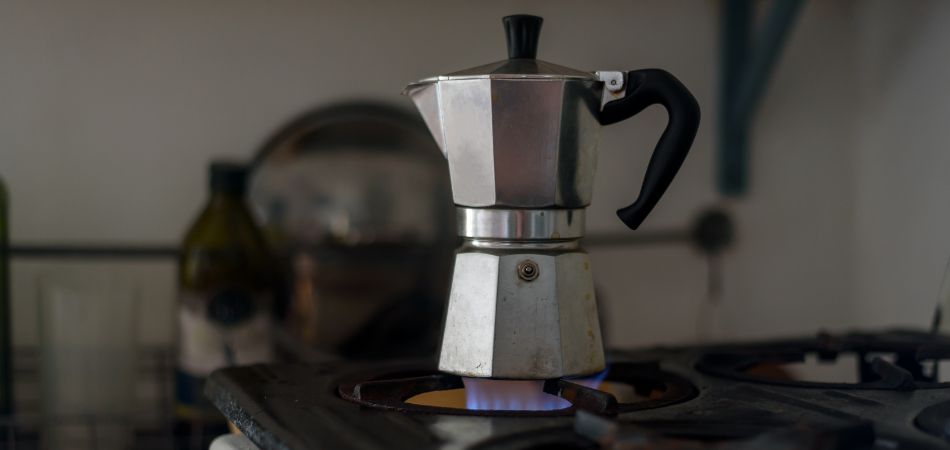
What You’ll Need
Before you begin brewing your stovetop espresso, let’s gather the essentials. Here’s a quick list of everything you’ll need to get started:
Equipment
- Moka Pot (Stovetop Espresso Maker)
- Heat Source
Ingredients
- Freshly Ground Coffee
The quality of your coffee beans is crucial for a rich espresso. Opt for freshly ground espresso beans with a fine grind. It’s best to grind the beans just before brewing to preserve their flavor. - Filtered Water
Water quality plays a big role in the taste of your espresso. Using filtered water will help you avoid any unwanted flavors that tap water might impart.
Optional Add-ons
- Milk Frother
If you enjoy lattes or cappuccinos, a milk frother can help you create rich, creamy foam to complement your espresso. - Sweeteners and Flavorings
Consider adding sugar, flavored syrups, or even spices like cinnamon or vanilla to give your espresso a unique twist.
With these essentials in hand, you’re ready to get started! Let’s move on to the step-by-step instructions on how to make espresso on the stove using the Moka pot.
What is a Stovetop Espresso Maker (Moka Pot)?
The Moka pot is a simple yet brilliant piece of equipment that has been a staple in homes across the world for decades. It’s the secret to making espresso on the stove, delivering rich, concentrated coffee without the need for a fancy espresso machine.
Why Use a Moka Pot?
The Moka pot offers a range of benefits:
- Affordable: It’s an inexpensive way to make strong coffee at home compared to high-end espresso machines.
- Compact: It’s small and easy to store, making it a perfect option for small kitchens or people with limited space.
- Espresso-Like Results: While not exactly the same as a machine-made espresso, the Moka pot brews a strong, rich coffee that’s similar in flavor and intensity.
Now that you know a little more about the Moka pot, let’s move on to the exciting part—how to make espresso on the stove!
Step-by-Step Guide to Making Stovetop Espresso
Ready to brew your espresso? Follow these simple steps to make a delicious cup of stovetop espresso.
Step 1: Prepare Your Ingredients
The first step in making espresso on the stove is preparing your ingredients.
- Measure the Coffee and Water: For a balanced espresso, use a ratio of 1:2. This means for every gram of coffee, you’ll need about two grams of water. If you’re brewing for one, a good starting point is about 12-14 grams of ground coffee and 200-250ml of water.
- Grind Your Coffee: Use an espresso grind that’s fine but not powdery. If your grind is too coarse, the water will flow through too quickly, making a weak espresso. If it’s too fine, you may over-extract the coffee, making it bitter.
Step 2: Assemble the Moka Pot
Now that you have your coffee and water ready, it’s time to assemble the Moka pot.
- Fill the Bottom Chamber: Pour the filtered water into the bottom chamber of the Moka pot up to the safety valve (don’t go over it!). The safety valve ensures that the pressure doesn’t become too high while brewing.
- Add the Coffee Grounds: Place the filter basket into the bottom chamber and fill it with the coffee grounds. Gently level off the coffee without pressing or tamping it down.
- Assemble the Moka Pot: Carefully place the top chamber over the filter and screw it on tightly. Make sure the Moka pot is securely assembled but don’t over-tighten, as this could damage the rubber seal.
Step 3: Heat It Up
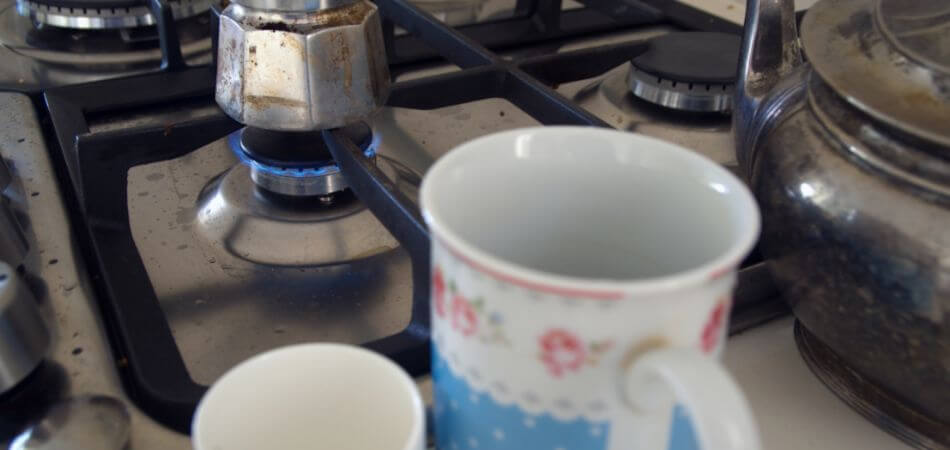
- Place the Moka Pot on the Stove: Set the Moka pot on your stove over medium heat. Make sure the handle is not directly over the heat source, as it could get hot.
- Listen for the Brew: As the water heats up, pressure builds inside the bottom chamber, forcing steam through the coffee grounds. You’ll hear a bubbling sound as the espresso brews. The sound will change as the coffee finishes brewing.
Step 4: Serve and Enjoy
- Wait for the Sound to Change: When the gurgling sound begins to slow down, that’s a sign that the brewing process is complete. Immediately remove the Moka pot from the heat to prevent the coffee from becoming bitter.
- Pour Your Espresso: Carefully pour the freshly brewed espresso into your cup. Enjoy it straight, or use it as a base for an Americano, latte, or cappuccino.
Now that you’ve made your first stovetop espresso, let’s move on to some tips for perfecting your brew!

Variations to Try
While a classic shot of espresso is delicious on its own, the beauty of stovetop espresso is in its versatility. Here are some creative ways to enjoy your brew:
Espresso-Based Drinks
- Americano: Add hot water to your espresso to dilute it and create a smoother, less intense flavor.
- Cappuccino: Froth some milk and add it to your espresso for a creamy and indulgent drink.
- Latte: A shot of espresso with steamed milk creates a deliciously creamy latte.
Iced Espresso
For a refreshing twist, allow your espresso to cool and then pour it over ice. You can even blend it into a frothy iced latte by adding cold milk and ice to a blender.
Creative Additions
- Cinnamon: Add a sprinkle of ground cinnamon to your coffee grounds before brewing for a warm, spicy kick.
- Vanilla: A few drops of vanilla extract in your espresso can create a comforting, sweet aroma.
- Orange Zest: For a bright and citrusy flavor, add some grated orange zest to your coffee grounds or the brewed espresso.
Common Mistakes and How to Avoid Them
To help you avoid some common pitfalls while brewing your stovetop espresso, here are a few tips to ensure success every time:
1. Overfilling the Water Chamber
The water level should be just below the safety valve in the bottom chamber. Overfilling the pot can cause the Moka pot to malfunction or the coffee to overflow, leading to a messy kitchen and bitter coffee.
2. Using the Wrong Grind Size
As mentioned earlier, the grind size for stovetop espresso should be fine but not powdery. A coarser grind results in weak coffee, while a too-fine grind leads to over-extraction and bitterness. Experiment with the grind size to find the perfect balance.
3. Leaving the Pot Unattended
It’s easy to forget about your Moka pot once it’s on the stove, but the brewing process only takes a few minutes. If you leave it too long, the coffee can over-extract, resulting in a burnt, unpleasant taste. Stay nearby and listen for the signature gurgling sound.
Conclusion
Making espresso on the stove with a Moka pot is a rewarding and satisfying experience that doesn’t require fancy equipment or expensive machines. With a little practice and attention to detail, you can craft a rich, flavorful espresso at home. Plus, you can customize it with different variations and flavorings to suit your taste.
So, whether you’re enjoying a traditional espresso or getting creative with lattes and iced drinks, the Moka pot is a simple and affordable way to bring the coffeehouse experience into your own kitchen.
FAQ’s
How can I make espresso at home without an espresso machine?
You can make espresso at home without an espresso machine by using a stovetop Moka pot, which brews strong coffee similar to espresso. Simply add finely ground coffee to the filter, fill the bottom with water, and heat it on the stove until it steams.
Is stovetop espresso real espresso?
Stovetop espresso, made with a moka pot, isn’t technically “real” espresso, as it doesn’t reach the high pressure (9 bars) required for authentic espresso. However, it produces a strong, concentrated coffee similar to espresso in taste and texture, making it a popular alternative.
What is the ratio of coffee to water for stovetop espresso?
The typical ratio of coffee to water for stovetop espresso is 1:2. This means using about 1 gram of coffee for every 2 grams of water. Adjust the ratio slightly based on your taste preferences, but this balance provides a strong, espresso-like brew.
Can you make espresso on an electric stove?
Yes, you can make espresso on an electric stove using a stovetop espresso maker, like a Moka pot.