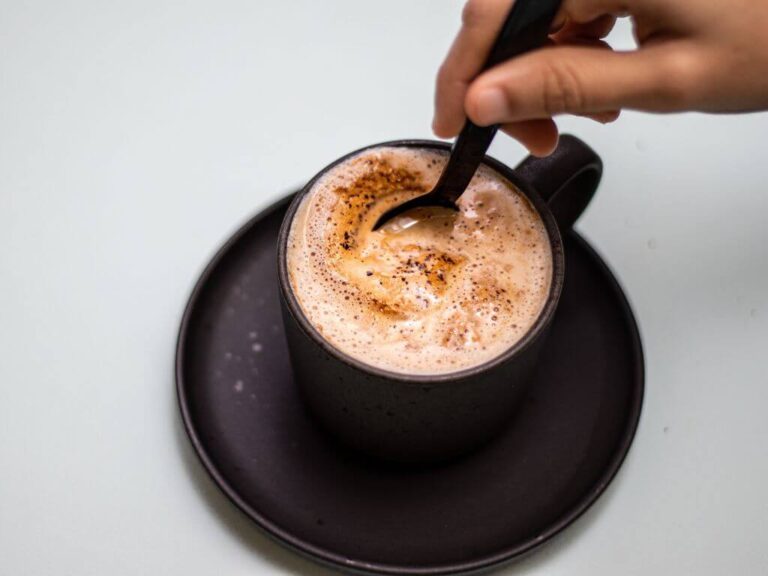
How to Make a Cappuccino That Tastes Like It Came from a Café
There’s something magical about a perfectly made cappuccino—the rich espresso, the velvety steamed milk, and that luxurious foam topping. But here’s the best part: you don’t need to be a barista to make one at home.
In this guide, we’ll walk you through exactly how to make a cappuccino like a pro, even if you’re a beginner. We’ll cover:
✅ The right ingredients & equipment (including budget-friendly swaps)
✅ Step-by-step brewing & frothing techniques
✅ Pro tips for café-quality results
✅ Common mistakes & how to fix them
By the end, you’ll be sipping a homemade cappuccino that rivals your favorite coffee shop’s. Let’s get started!

What is a Cappuccino? (And Why You’ll Love Making It at Home)
Before we dive into the how-to, let’s talk about what makes a cappuccino unique.
The Anatomy of a Perfect Cappuccino
A traditional cappuccino consists of three equal layers:
| Layer | Description |
|---|---|
| Espresso | A strong, concentrated coffee shot (1-2 oz) for the base. |
| Steamed Milk | Silky, heated milk (not too hot!) that blends smoothly with the espresso. |
| Milk Foam | Thick, airy foam that sits on top, creating that signature cappuccino texture. |
Cappuccino vs. Latte vs. Macchiato
People often confuse these drinks, but here’s the key difference:
- Cappuccino = 1/3 espresso, 1/3 steamed milk, 1/3 foam (stronger coffee flavor, thicker foam).
- Latte = More milk, less foam (creamier, milder taste).
- Macchiato = Espresso “stained” with a dash of milk (strongest coffee flavor).
Why Make It at Home?
- Save money (Coffee shops charge $4-$6 per cup!).
- Control ingredients (Choose organic milk, sugar-free syrups, or dairy-free options).
- Impress friends & family (Nothing beats serving a café-style drink at home!).
Now that you know what makes a cappuccino special, let’s gather your tools and ingredients.

What You’ll Need to Make a Cappuccino
Before we dive into the steps, let’s gather the essential tools and ingredients. The right equipment makes all the difference!
Equipment Checklist
| Tool | Why You Need It | Budget-Friendly Alternatives |
|---|---|---|
| Espresso Machine | Pulls a concentrated, rich espresso shot (the foundation of a cappuccino). | Moka pot, AeroPress, or strong brewed coffee. |
| Milk Frother | Creates the creamy foam that defines a cappuccino. | French press, handheld frother, or even a jar (shake and microwave). |
| Coffee Grinder | Freshly ground beans = better flavor. Pre-ground coffee loses aroma quickly. | Buy pre-ground espresso (but use it fast!). |
| Thermometer | Ensures milk is heated to 150–155°F (65–70°C)—the sweet spot for sweetness. | Use touch: Too hot to hold = it’s ready. |
| Pitcher & Cup | A stainless steel pitcher helps froth milk evenly. A preheated cup keeps coffee hot. | Any small saucepan and mug work in a pinch! |
Ingredients
- Espresso Beans – Look for medium-dark roast (Italian or espresso blends work best).
- Cold Milk – Whole milk froths best, but oat or almond milk can work with practice.
- Optional Extras – Cocoa powder, cinnamon, or flavored syrups for a personal touch.
Pro Tip: Always start with cold milk—it froths better than warm milk!

Step-by-Step: How to Make a Cappuccino (Like a Barista)
Now, the fun part—let’s make your cappuccino! Follow these steps carefully for the best results.
Step 1: Brew the Espresso
- Grind your beans – Use a fine grind (like table salt).
- Tamp the grounds – Press firmly into the portafilter for even extraction.
- Pull the shot – Aim for 25–30 seconds for a balanced flavor.
Pro Tip: If using a Moka pot or AeroPress, brew strong coffee (about 2 oz).
Step 2: Steam & Froth the Milk
- Fill pitcher ⅓ full with cold milk (whole milk works best).
- Position steam wand – Just below the milk’s surface (listen for a paper-tearing sound).
- Aerate for 3–5 seconds (to create foam), then submerge to heat.
- Stop at 150–155°F (65–70°C) – Any hotter, and milk loses sweetness.
No steam wand? Use a handheld frother or French press (pump vigorously).
Step 3: Combine & Serve
- Pour espresso into a preheated cup.
- Add steamed milk, holding back foam with a spoon.
- Top with foam (about 1/3 of the cup).
- Optional: Dust with cocoa powder or cinnamon.
Want latte art? Swirl milk before pouring for a smooth base, then try a simple heart design!
Troubleshooting: Common Cappuccino Mistakes (& Fixes)
Even pros make mistakes—here’s how to avoid (or fix) them.
| Problem | Why It Happens | How to Fix It |
|---|---|---|
| Milk won’t froth | Wrong milk type (skim = less foam). | Use whole milk or barista-style oat milk. |
| Bitter espresso | Over-extracted (too fine grind/long brew). | Adjust grind size or shorten brew time. |
| Large, bubbly foam | Over-aerating milk. | Froth gently; aim for microfoam. |
| Milk too hot | Scalds (loses sweetness). | Use a thermometer (stop at 155°F). |
Delicious Cappuccino Variations
Want to mix things up? Try these twists:
1. Iced Cappuccino
- Pull espresso over ice.
- Top with cold frothed milk (use a handheld frother).
2. Flavored Cappuccino
- Add vanilla, caramel, or hazelnut syrup to the espresso before adding milk.
3. Vegan Cappuccino
- Use oat or almond milk (barista versions froth best).
Final Tips for Barista-Level Results
🔹 Preheat everything (cup, portafilter) to keep coffee hot longer.
🔹 Experiment with milk alternatives (each froths differently).
🔹 Practice makes perfect—don’t stress if your first try isn’t flawless!
FAQs
How can I improve the taste of my homemade cappuccino?
To make a more delicious cappuccino at home, follow these five tips: First, select coffee beans that suit your taste preferences. Second, grind the beans freshly for each cup. Third, extract a strong espresso, possibly a double shot. Fourth, opt for full-fat fresh milk, ideally from Swiss alp cows, avoiding UHT milk. Lastly, heat the milk to a maximum of 60-65 degrees Celsius.
Which type of milk is ideal for making a cappuccino?
Whole milk is recommended for creating a cappuccino with a rich and velvety texture. You can use low-fat milk as a substitute, but it may reduce the creaminess. Skim milk will produce a lighter, meringue-like foam that dissolves quickly.
What is the correct proportion of ingredients in a cappuccino?
The standard ratio for a cappuccino is one-third espresso, one-third steamed milk, and one-third foam. It is crucial to ensure that the temperature of the foam does not exceed 65-70 degrees Celsius (149-158 degrees Fahrenheit) to maintain the ideal texture and warmth.
Final Thoughts: Your Perfect Cappuccino Awaits!
Now you know exactly how to make a cappuccino—espresso, steamed milk, and foam in perfect harmony.
Ready to try? Grab your tools, follow the steps, and enjoy your homemade masterpiece.
We’d love to hear from you! Tag us in your cappuccino photos.