The Perfect Espresso for Espresso Martinis
🍸 If you’re a fan of the classic Espresso Martini, you know that the secret to a truly exceptional drink lies in its foundation – the espresso. But not just any espresso will do. The perfect shot can make or break your cocktail, transforming it from ordinary to extraordinary.
“What’s the big deal? Isn’t all espresso the same?” Think again. The world of espresso for cocktails is rich and nuanced, filled with possibilities to enhance your mixology skills. Whether you’re a home bartender looking to impress your friends or a professional seeking to perfect your craft, understanding the ins and outs of espresso for Espresso Martinis is crucial.
In this guide, we’ll dive deep into the art of selecting, brewing, and perfecting espresso for your cocktails.
Differences between regular coffee and espresso in cocktails
When it comes to cocktails, espresso and regular coffee are not interchangeable. Understanding their differences is crucial for crafting the perfect espresso martini:
| Aspect | Espresso | Regular Coffee |
|---|---|---|
| Flavor | Concentrated, intense | Milder, more diluted |
| Texture | Thick, creamy | Thin, watery |
| Caffeine content | Higher per ounce | Lower per ounce |
| Mixing ability | Blends seamlessly | Can separate or dilute |
| Temperature | Served hot or cooled quickly | Often requires cooling |
Espresso’s concentrated nature allows it to maintain its distinct coffee flavor even when mixed with other ingredients. Its thick consistency also helps create a more cohesive cocktail, whereas regular coffee might lead to a watery drink.
Choosing the Right Espresso
Best espresso roasts for martinis
When choosing the right espresso for your martinis, the roast level plays a crucial role in determining the final flavor profile of your cocktail. Generally, medium to dark roasts work best for espresso martinis. Here’s a breakdown of different roast levels and their impact on your martini:
| Roast Level | Flavor Profile | Suitability for Martinis |
|---|---|---|
| Light | Acidic, fruity | Less suitable |
| Medium | Balanced, nutty | Good choice |
| Medium-Dark | Rich, chocolatey | Excellent choice |
| Dark | Bold, smoky | Great for strong martinis |
For a classic espresso martini, opt for a medium-dark or dark roast. These roasts provide the rich, robust flavors that stand up well to the other ingredients in the cocktail.
Single-origin vs. blends for cocktails
When it comes to choosing between single-origin espresso and blends for your martinis, both have their merits:
- Single-origin espresso:
- Offers unique, distinct flavors
- Allows you to highlight specific taste notes
- Great for creating signature martinis
- Espresso blends:
- Provide a more balanced flavor profile
- Often more consistent in taste
- Typically work well in classic recipes
Importance of freshness in espresso beans
The freshness of your espresso beans is paramount when crafting the perfect espresso martini. Here’s why:
- Peak flavor: Fresh beans provide the most complex and vibrant flavors.
- Better crema: Freshly roasted beans produce a richer, more substantial crema.
- Aromatic qualities: Fresh espresso contributes enticing aromas to your martini.
To ensure you’re using the freshest beans possible:
- Buy whole beans and grind them just before brewing
- Look for roast dates on packaging and use within 2-4 weeks of roasting
- Store beans in an airtight container away from light, heat, and moisture
Brewing Methods for Cocktail Espresso
Traditional espresso machine techniques
When it comes to brewing espresso for your cocktails, using a traditional espresso machine is often the gold standard. These machines are designed to create the perfect shot of espresso, complete with a rich crema and complex flavors that can elevate your Espresso Martini to new heights.
To achieve the best results with a traditional espresso machine:
- Use freshly roasted, high-quality beans
- Grind your beans just before brewing
- Properly tamp the grounds in the portafilter
- Aim for a 25-30 second extraction time
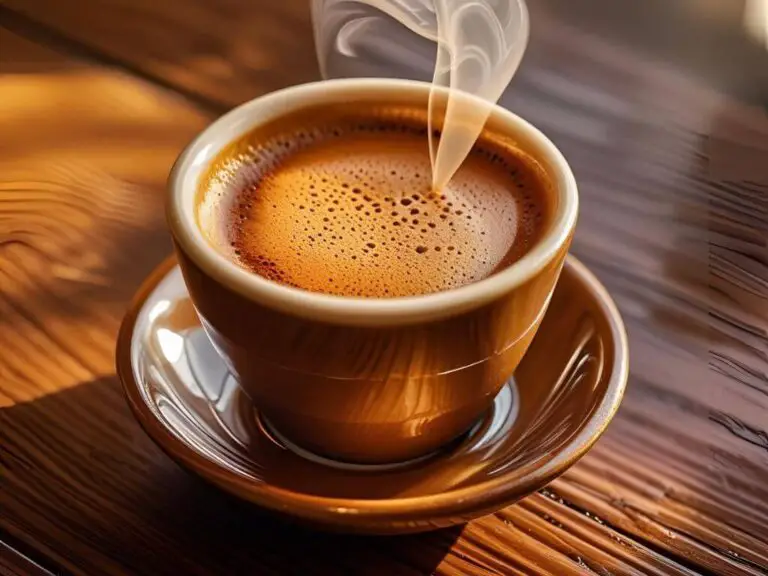
- Look for a golden-brown crema on top of your shot
Alternative brewing methods for home bartenders
Not everyone has access to a traditional espresso machine, but that doesn’t mean you can’t make a great Espresso Martini at home. Here are some alternative brewing methods that can produce excellent results:
| Method | Pros | Cons |
|---|---|---|
| Moka Pot | Strong, concentrated brew | Can be bitter if not done correctly |
| AeroPress | Quick, easy to clean | Smaller yield per brew |
| French Press | Full-bodied flavor | Less crema, more sediment |
| Nespresso | Convenient, consistent | Less control over variables |
Each of these methods can produce a strong coffee concentrate that works well in cocktails. Experiment with different techniques to find the one that suits your taste and equipment.
Temperature considerations for cocktail espresso
The temperature of your espresso can significantly impact the flavor profile of your Espresso Martini. While traditional espresso is typically brewed at around 200°F (93°C), you might want to experiment with slightly lower temperatures for cocktail espresso.
Here’s why:
- Lower temperatures (190-195°F or 88-90°C) can help reduce bitterness
- Cooler espresso integrates better with cold cocktail ingredients
- A slightly lower temperature can enhance sweetness and balance acidity
Remember, the goal is to create a flavorful espresso that complements the other ingredients in your cocktail. By fine-tuning your brewing temperature, you can achieve the perfect balance of flavors in your Espresso Martini.
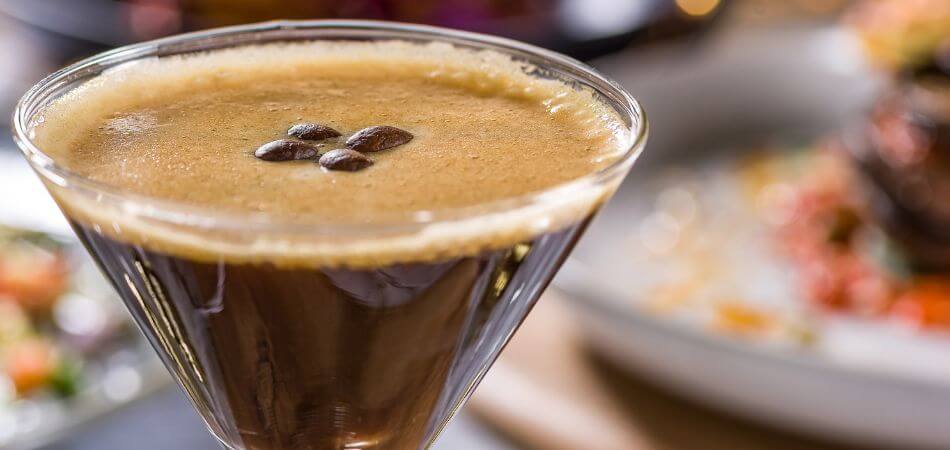
Perfecting Your Espresso Shot
Ideal espresso ratios for martinis
The ideal espresso ratio for martinis typically falls between 1:2 and 1:3, meaning one part espresso to two or three parts of the remaining ingredients. This ratio ensures that the espresso flavor shines through without overpowering the cocktail.
Here’s a quick reference table for espresso ratios in martinis:
| Ratio | Espresso | Other Ingredients | Flavor Profile |
|---|---|---|---|
| 1:2 | 1 oz | 2 oz | Strong, bold |
| 1:2.5 | 1 oz | 2.5 oz | Balanced |
| 1:3 | 1 oz | 3 oz | Smooth, subtle |
Experiment with these ratios to find your preferred balance, keeping in mind that the strength of your espresso shot will also impact the final flavor.
Pulling the perfect shot: timing and visual cues
To achieve a high-quality espresso shot for your martini, pay attention to these key factors:
- Grind size: Aim for a fine, consistent grind
- Dose: Use 18-20 grams of coffee for a double shot
- Tamp pressure: Apply about 30 pounds of pressure
- Extraction time: Aim for 25-30 seconds
- Volume: Look for 1.5-2 oz of liquid
Visual cues to watch for:
- Initial drip: Should appear after 5-7 seconds
- Color: Look for a golden-brown crema
- Flow: Should resemble warm honey
Remember, practice makes perfect. Don’t be discouraged if your first attempts aren’t ideal – keep refining your technique.
Cooling methods for cocktail-ready espresso
For Espresso Martinis, you’ll want to cool your espresso quickly without diluting it. Here are some effective cooling methods:
- Ice bath: Place the espresso shot glass in a bowl of ice water
- Cocktail shaker: Add the espresso directly to your shaker with ice
- Refrigerated shot glasses: Keep glasses in the fridge for instant cooling
- Cold brew method: Prepare cold brew concentrate in advance
Avoid adding ice directly to the espresso, as it can water down the flavor. Instead, opt for methods that cool rapidly without dilution.
Storing espresso for later use in cocktails
While freshly pulled espresso is ideal, you can store it for later use in cocktails. Here’s how:
- Immediate cooling: Cool the espresso quickly after extraction
- Airtight container: Transfer to a sealed container to prevent oxidation
- Refrigeration: Store in the fridge for up to 24 hours
- Freezing: For longer storage, freeze in ice cube trays
When ready to use, thaw frozen espresso cubes in the refrigerator or use them directly in your shaker for an extra-cold martini.

Enhancing Espresso Flavors in Martinis
Complementary spirits and liqueurs
Now that you’ve perfected your espresso shot, it’s time to explore how to enhance its flavors in your martini. The key to a great espresso martini lies in choosing the right complementary spirits and liqueurs. Vodka is the traditional base, but don’t be afraid to experiment with other options:
| Spirit/Liqueur | Flavor Profile | Best Paired With |
|---|---|---|
| Vodka | Neutral | Classic espresso martini |
| Rum | Sweet, caramel notes | Nutty or chocolate-infused espresso |
| Whiskey | Complex, smoky | Bold, dark roast espresso |
| Baileys | Creamy, Irish cream | Smooth, medium roast espresso |
| Kahlúa | Coffee-flavored | Any espresso for an extra coffee kick |
Try mixing and matching these spirits to create your signature espresso martini. For example, a combination of vodka and Baileys can result in a creamy, indulgent cocktail that showcases your espresso’s flavors beautifully.
Experimenting with flavored syrups
Flavored syrups offer an excellent way to customize your espresso martini and create unique flavor profiles. Here are some popular options to try:
- Vanilla syrup: Enhances the natural sweetness of the espresso
- Hazelnut syrup: Adds a nutty dimension that complements coffee flavors
- Caramel syrup: Creates a rich, indulgent martini
- Coconut syrup: Offers a tropical twist on the classic recipe
When using flavored syrups, start with a small amount (about 1/4 oz) and adjust to taste. Remember that these syrups add sweetness as well as flavor, so you may need to reduce or eliminate other sweeteners in your recipe.
By experimenting with different spirits, balancing sweetness and bitterness, incorporating thoughtful garnishes, and exploring flavored syrups, you’ll be well on your way to creating the perfect espresso martini. Don’t be afraid to trust your palate and get creative – after all, the best espresso martini is the one that suits your taste preferences.
Conclusion
Crafting the perfect espresso martini starts with understanding and mastering the art of espresso for cocktails. By choosing the right espresso blend, employing suitable brewing methods, and perfecting your shot technique, you’ll elevate your martini game to new heights. Remember, the key lies in balancing the rich, bold flavors of espresso with the smooth, sophisticated profile of a classic martini.
FAQ’s
What kind of espresso is best for espresso martini?
A rich, freshly brewed espresso with a bold flavor and smooth crema is perfect for an espresso martini—it adds depth and a delicious kick!
What coffee liqueur to use in an espresso martini?
Kahlúa is the most popular choice for an espresso martini, but you can also try Tia Maria or any quality coffee liqueur for a flavorful twist!
Is Kahlua or Baileys better for espresso martini?
Kahlúa is the classic choice for an espresso martini, giving it that rich coffee flavor, but Baileys adds a creamy twist if you prefer something smoother!
Do espresso martinis have real espresso?
Yes, espresso martinis typically use real espresso for that rich, coffee flavor—it’s what makes them so deliciously bold!