Brew the Perfect Low Acid Coffee at Home
If you love coffee but sometimes feel heartburn, stomach discomfort, or acid reflux, you are not alone. Many coffee drinkers experience these problems because regular coffee can be quite acidic. The good news is that you don’t have to give up your daily cup. Low acid coffee offers a smoother and gentler option.
Simply put, low acid coffee is coffee that contains less acidity than regular coffee. It is specially made using certain beans, roasting methods, or brewing techniques that naturally reduce acid levels. Because of this, it is often easier on the stomach while still delivering the rich flavor coffee lovers enjoy.
What Is Low Acid Coffee?
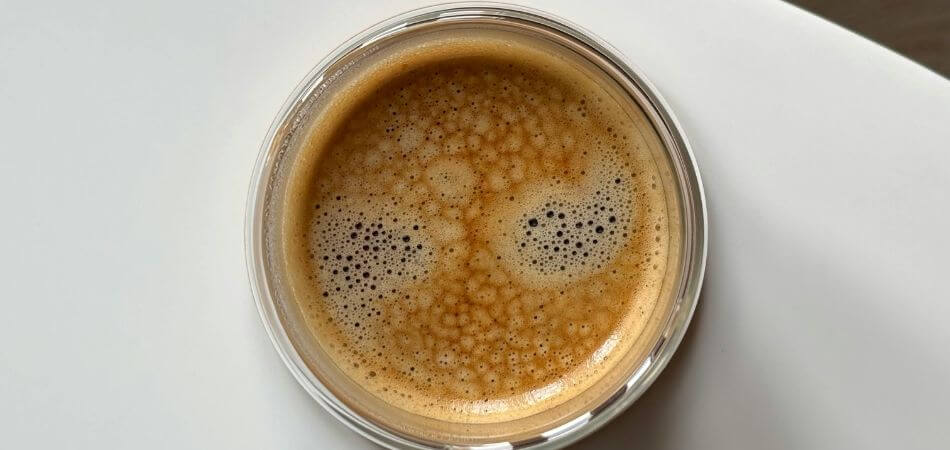
Low acid coffee is coffee that contains lower levels of acidic compounds compared to regular coffee. These acids are natural and contribute to coffee’s bright and fruity flavor. However, for some people, they can cause stomach irritation.
When people talk about acidity in coffee, they are usually referring to flavor and chemical compounds, not just the pH level. High-acid coffee often tastes sharp or tangy, while low acid coffee tastes smoother and milder.
Regular Coffee vs Low Acid Coffee
| Feature | Regular Coffee | Low Acid Coffee |
|---|---|---|
| Acidity Level | Higher | Lower |
| Taste | Bright, tangy | Smooth, mild |
| Stomach Effect | May cause discomfort | Gentler on stomach |
| Ideal For | Most coffee drinkers | People with acid sensitivity |
Benefits of Drinking Low Acid Coffee
Many people switch to low acid coffee because it offers several health and taste benefits. It allows coffee lovers to enjoy their favorite drink without uncomfortable side effects.
1. Easier on the Stomach
Regular coffee may irritate the stomach lining for some people. Low acid coffee is gentler, making it a better option for people with sensitive digestion.
2. May Reduce Acid Reflux
People who experience acid reflux or heartburn often find relief when switching to coffee with lower acidity.
3. Smooth and Balanced Flavor
Low acid coffee often has a milder and smoother taste. Instead of sharp or sour notes, it usually has flavors like:
- Chocolate
- Nuts
- Caramel
- Earthy tones
4. Great for Daily Coffee Drinkers
If you drink coffee every day, choosing low acid coffee can help reduce stomach irritation over time.
Quick Benefits Summary
- Gentler on the stomach
- May reduce heartburn
- Smooth and mellow flavor
- Ideal for everyday coffee drinkers
Because of these benefits, low acid coffee is becoming more popular among coffee lovers around the world.

Best Coffee Beans for Low Acid Coffee
Choosing the right beans is one of the easiest ways to enjoy low acid coffee. Some coffee beans naturally contain less acid and produce a smoother cup.
Popular Low Acid Coffee Bean Origins
Many coffee experts recommend these regions if you want naturally low acid coffee:
- Brazilian coffee beans – smooth, nutty flavor
- Sumatra coffee beans – earthy and full-bodied
- Mexican coffee beans – mild and balanced
- Peruvian coffee beans – soft acidity and smooth taste
Characteristics of Low Acid Coffee Beans
Low acid coffee beans often have these qualities:
- Grown at lower altitude
- Naturally smooth flavor
- Less sharp or sour taste
- Often used for dark roast coffee
Examples of Coffee Bean Acidity
| Coffee Origin | Acidity Level | Flavor Notes |
|---|---|---|
| Brazil | Low | Chocolate, nutty |
| Sumatra | Very Low | Earthy, bold |
| Mexico | Low | Mild, smooth |
| Ethiopia | High | Fruity, bright |
If you want a smoother cup, choosing beans from these regions is a great way to start enjoying low acid coffee.
Best Roast Levels for Low Acid Coffee
The roast level of coffee has a big impact on acidity. As coffee beans roast longer, many acidic compounds begin to break down.
That’s why darker roasts are often recommended for people looking for low acid coffee.
How Roast Levels Affect Acidity
| Roast Level | Acidity | Flavor |
|---|---|---|
| Light Roast | High | Bright, fruity |
| Medium Roast | Medium | Balanced |
| Dark Roast | Low | Bold, smooth |
Why Dark Roast Is Lower in Acid
During roasting:
- Heat breaks down acidic compounds
- Natural oils move to the surface of the beans
- Flavor becomes deeper and smoother
This process makes dark roast coffee one of the best options for low acid coffee lovers.
Tips for Choosing Low Acid Roasts
- Look for dark roast or French roast
- Avoid very light roast beans
- Choose beans labeled low acid coffee
Dark roast coffee not only reduces acidity but also creates a rich and smooth flavor that many coffee drinkers enjoy.
Best Brewing Methods for Low Acid Coffee
The way you brew your coffee can also affect how acidic it tastes. Some brewing methods naturally produce low acid coffee, making them perfect for people with sensitive stomachs.
Certain techniques extract fewer acidic compounds from coffee beans, resulting in a smoother and milder cup.
Best Brewing Methods for Low Acid Coffee
Here are some popular brewing methods that help reduce acidity:
- Cold Brew Coffee – One of the lowest acid coffee options
- French Press – Creates a rich and smooth cup
- Espresso – Quick brewing reduces acid extraction
- Drip Coffee Maker – Balanced and easy brewing
Coffee Brewing Methods and Acidity
| Brewing Method | Acidity Level | Taste |
|---|---|---|
| Cold Brew | Very Low | Smooth, mellow |
| French Press | Low | Rich, full body |
| Espresso | Medium-Low | Strong, bold |
| Pour Over | Medium | Clean, bright |
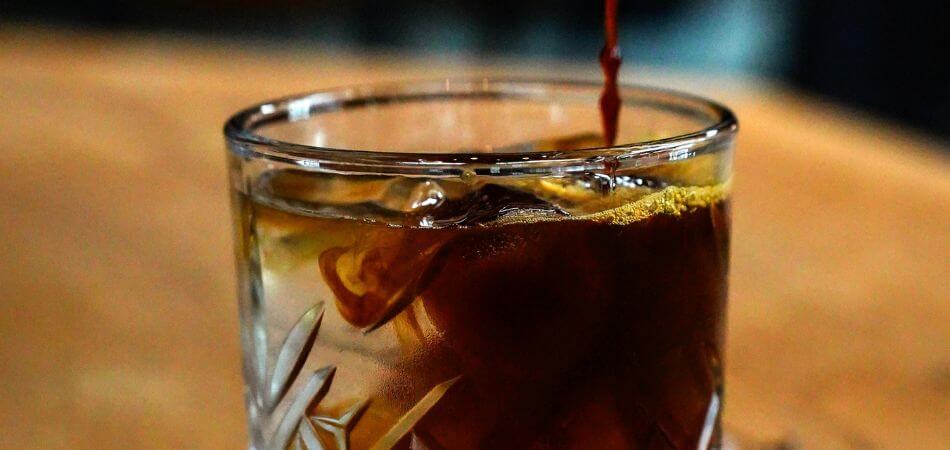
Among these options, cold brew coffee is widely known as one of the best ways to make low acid coffee because the long cold extraction process reduces acidity.
How to Make Low Acid Coffee at Home
Making low acid coffee at home is easier than you might think. With the right beans and brewing method, you can enjoy a smooth cup without stomach discomfort.
Follow these simple steps to reduce acidity in your coffee.
Step-by-Step Guide
1. Choose Low Acid Beans
Look for beans from regions like Brazil or Sumatra, which are naturally lower in acid.
2. Select Dark Roast Coffee
Dark roasted beans usually contain fewer acidic compounds.
3. Try Cold Brew Method
Cold brewing reduces acidity and produces a smoother taste.
4. Use Clean Filtered Water
Good quality water helps improve the flavor and balance of your coffee.
5. Avoid Over-Brewing
Brewing coffee too long can extract more acid and bitterness.
Best Low Acid Coffee Brands
If you prefer convenience, several companies now produce low acid coffee specially designed for people with sensitive stomachs. These brands use unique roasting techniques or select naturally low-acid beans.
Here are some popular options many coffee drinkers enjoy.
Popular Low Acid Coffee Brands
- Puroast Low Acid Coffee – Known for having significantly lower acid levels than regular coffee.
- Lifeboost Coffee – Organic coffee made from low-acid beans grown at lower elevations.
- HealthWise Coffee – Designed for people with acid reflux or digestive sensitivity.
- Mommee Coffee – Smooth, gentle coffee with reduced acidity.
Quick Comparison of Low Acid Coffee Brands
| Brand | Special Feature | Taste |
|---|---|---|
| Puroast | Very low acid roasting method | Smooth and rich |
| Lifeboost | Organic and low-acid beans | Clean and balanced |
| HealthWise | Designed for sensitive stomachs | Mild flavor |
| Mommee Coffee | Gentle on digestion | Light and smooth |
Trying different brands can help you find the low acid coffee that matches your taste preferences.
Who Should Drink Low Acid Coffee?
While anyone can enjoy low acid coffee, it is especially helpful for people who experience discomfort after drinking regular coffee.
People Who May Benefit Most
- People with acid reflux
- Those who experience heartburn after coffee
- Individuals with a sensitive stomach
- People with digestive issues
- Coffee lovers who prefer smooth and mild flavors
Signs Regular Coffee May Be Too Acidic
You might consider switching to low acid coffee if you notice:
- Burning sensation in the chest
- Stomach irritation after drinking coffee
- Sour taste discomfort
- Digestive upset
Low acid coffee allows many people to continue enjoying their daily coffee habit without unpleasant symptoms.
Common Myths About Low Acid Coffee
There are many misunderstandings about low acid coffee. Let’s clear up some common myths.
Myth 1: Low Acid Coffee Has No Flavor
This is not true. Many low acid coffees still have rich flavors like chocolate, nuts, and caramel.
Myth 2: Low Acid Coffee Has Less Caffeine
Acidity and caffeine are different things. Low acid coffee can still contain normal caffeine levels.
Myth 3: Only Expensive Coffee Is Low Acid
While some premium brands sell low acid coffee, you can also find affordable options or naturally low-acid beans.
Myth 4: All Dark Roast Coffee Is Low Acid
Dark roast coffee often has lower acidity, but the bean origin and brewing method also matter.
Understanding these facts can help you choose the best low acid coffee for your needs.
FAQs About Low Acid Coffee
What coffee is lowest in acid?
Coffee from regions like Brazil and Sumatra is usually lower in acidity. Cold brew coffee is also one of the lowest-acid brewing methods.
Is low acid coffee better for acid reflux?
Yes, many people with acid reflux find low acid coffee gentler on the stomach and less likely to trigger symptoms.
Does dark roast coffee have less acid?
In most cases, dark roast coffee contains less acid because the roasting process breaks down acidic compounds.
Is cold brew coffee low acid?
Yes. Cold brew coffee is known for its smooth taste and lower acidity, making it a great option for sensitive stomachs.
Can low acid coffee still taste strong?
Absolutely. Low acid coffee can still have a bold and rich flavor, depending on the beans and brewing method.
Final Thoughts
Coffee lovers no longer need to avoid coffee because of stomach discomfort. Low acid coffee provides a smoother and gentler alternative while still delivering the rich taste many people enjoy.
By choosing the right beans, roast level, and brewing method, you can easily reduce acidity in your daily cup. Options like dark roast beans, cold brew coffee, and naturally low-acid beans from regions like Brazil or Sumatra are great starting points.