Can Coffee Grounds Expire? Freshness, Safety & Flavor
We all know that freshly brewed coffee is a game-changer for the day. But what about the coffee grounds left behind after that last cup? If you’ve ever wondered, “Can coffee grounds expire?” or if you’ve found a forgotten bag of coffee grounds in your pantry, this article is for you.
Coffee is one of those things where freshness truly matters. From the aroma to the taste, the quality of your coffee grounds can make or break your cup. But what happens when coffee grounds are past their prime? Can they go bad? If so, how can you tell? And more importantly, how can you keep them fresh for as long as possible?
Let’s dive into the world of coffee grounds and find out what really happens when they age. By the end of this guide, you’ll have all the information you need to make sure your coffee stays fresh and flavorful.
What Happens to Coffee Grounds Over Time?
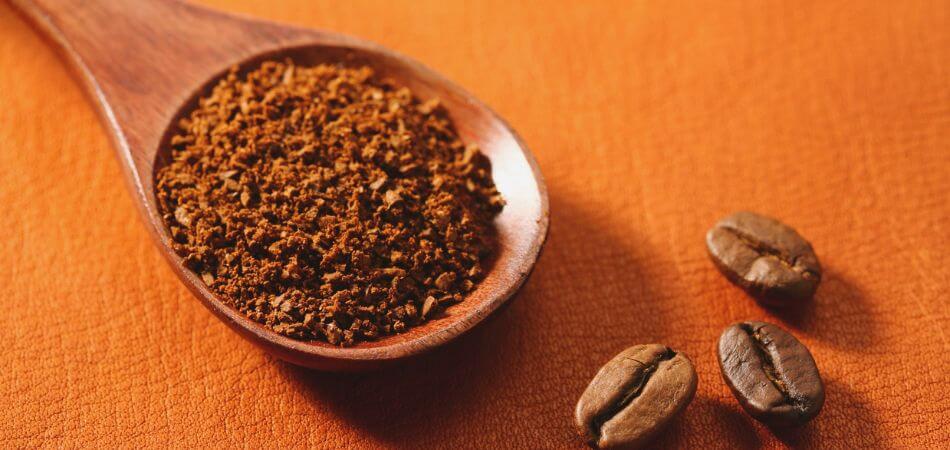
Coffee grounds are the result of grinding roasted coffee beans, and just like those beans, they are packed with essential oils and aromatic compounds. These compounds are what give coffee its signature flavor and aroma.
Over time, coffee grounds begin to lose their freshness, and here’s why:
- Oxidation: When coffee grounds are exposed to air, they undergo a process called oxidation. This means the oils and compounds that give coffee its rich aroma and taste start breaking down.
- Loss of Volatile Compounds: Coffee is full of volatile compounds (those that evaporate easily and give coffee its fragrance). These compounds begin to dissipate once the coffee is ground, and they can’t be replaced once lost.
- Absorption of Odors: Coffee grounds are like sponges for odors. If stored improperly, they can absorb smells from other items in your pantry or kitchen, which could affect the flavor when brewed.
Even if your coffee grounds don’t “expire” in the traditional sense (like milk or fruit), they do lose their quality over time. The more exposed to air and light, the quicker they’ll degrade.
Shelf Life of Coffee Grounds
So, how long do coffee grounds actually last? The shelf life of coffee grounds depends on a few factors:
Unopened Coffee Grounds
- Best Before Date: Most bags of coffee grounds will have a “best before” or “use by” date printed on the packaging. This date indicates when the manufacturer believes the coffee will be at its best quality.
- Timeframe: Unopened, sealed bags of coffee grounds can last anywhere from 3 to 6 months past the “best before” date if stored properly.
Opened Coffee Grounds
Once you open a bag of coffee grounds, they begin to degrade faster. Air and moisture can quickly spoil the freshness.
- Shelf Life: After opening, coffee grounds typically last around 1 to 3 weeks for the best flavor. However, if stored improperly, they may begin to lose flavor even earlier.
How Long Can You Keep Coffee Grounds?
| Type of Coffee Grounds | Shelf Life | Storage Tips |
| Unopened, Sealed Bag | 3-6 months | Store in a cool, dry, and dark place |
| Opened Coffee Grounds | 1-3 weeks | Use an airtight container |
| Frozen Coffee Grounds | 3-6 months | Use a vacuum-sealed bag |
As you can see, the longer the exposure to air and light, the quicker your coffee grounds will lose their fresh taste. But don’t worry, there are ways to extend their shelf life, and we’ll talk about that shortly!
Signs Coffee Grounds Have Gone Bad
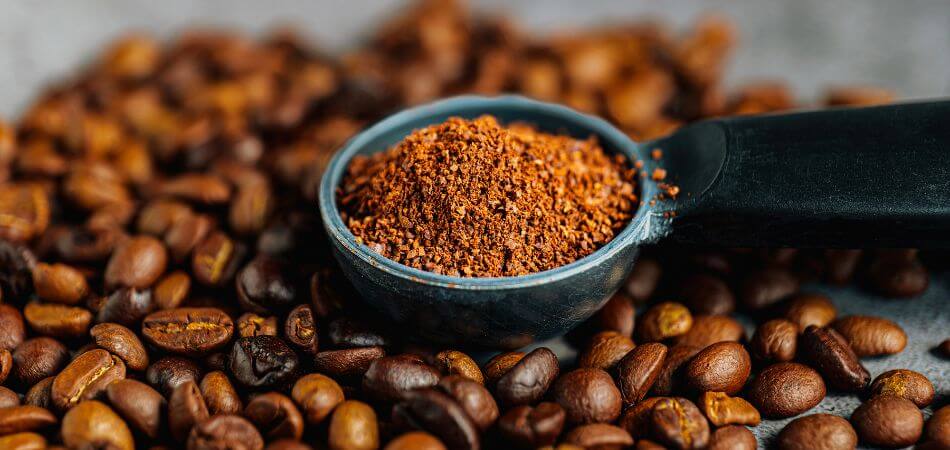
It’s pretty simple to tell if your coffee grounds have expired—just look for these signs:
1. Aroma
Fresh coffee grounds should have a rich, earthy, and slightly sweet smell. If the grounds smell stale or sour, they’ve likely gone bad. This is a key indicator that the volatile compounds and oils have degraded. If they don’t smell like coffee anymore, it’s time to toss them.
2. Taste
Old coffee grounds can brew into a cup of coffee that tastes flat, bitter, or even sour. The flavor profile you love may be totally absent, leaving you with a less-than-pleasant experience.
3. Texture
Coffee grounds should feel dry and fine, not sticky or clumpy. If they appear moist or moldy, they’ve absorbed too much moisture and should be discarded.
4. Mold Growth
In some rare cases, coffee grounds can develop mold if stored in a humid environment. If you see any mold, don’t risk it—throw them out.
How to Store Coffee Grounds to Extend Freshness
Now that you know what happens to coffee grounds over time and how to identify expired grounds, here’s how you can keep your coffee as fresh as possible for longer:
1. Airtight Container
Always store your coffee grounds in an airtight container. This prevents air from getting in, which is a major contributor to oxidation. Glass jars with tight lids or vacuum-sealed bags work great.
2. Keep Away from Heat and Light
Store your coffee grounds in a cool, dry, and dark place. Heat and light can speed up the degradation process, so your pantry is usually a better choice than a spot on the countertop.
3. Freeze for Longer Storage
If you have a large bag of coffee grounds, you might want to freeze some of them to extend their shelf life. But freezing can change the texture and aroma, so it’s best used for long-term storage (3-6 months). Always use an airtight, vacuum-sealed bag to avoid freezer burn.
4. Avoid Storing in the Fridge
Storing coffee in the fridge isn’t recommended because of the moisture and temperature fluctuations that can affect the freshness of the coffee grounds.
Can You Still Use Expired Coffee Grounds?
If your coffee grounds have expired but don’t show any signs of mold or moisture, they may still be used, but here’s what you should know:
- Brewed Taste: Your coffee will likely taste weak, flat, or stale. You won’t get that rich, bold cup you’re hoping for.
- Creative Uses for Stale Coffee Grounds:
If you’ve got grounds that are no longer good for brewing, don’t throw them away just yet! Here are some creative ways to use them:
- Coffee Scrubs: Mix with coconut oil for a natural exfoliant.
- Fertilizer: Coffee grounds are rich in nitrogen and make an excellent addition to your garden.
- Deodorizer: Coffee grounds can help absorb odors in your fridge, freezer, or car.
- Coffee Scrubs: Mix with coconut oil for a natural exfoliant.
How to Prevent Coffee Grounds from Expiring Too Soon
To keep your coffee grounds fresh, here are some simple tips:
- Grind as You Go: Grinding your own coffee beans will preserve the freshness much longer than pre-ground coffee.
- Buy Smaller Batches: Buying in small quantities helps you use up your coffee grounds before they go stale.
- Proper Storage: Always store your coffee in an airtight container, and keep it in a cool, dry place.
Conclusion
So, can coffee grounds expire? Yes, they do! While they may not go bad in the traditional sense like food, coffee grounds lose their freshness and flavor over time. By following the right storage practices and paying attention to signs of staleness, you can enjoy fresh, flavorful coffee for longer.
Remember, the best way to keep your coffee grounds fresh is to store them properly in an airtight container, away from heat and light. And if your grounds have gone stale? Don’t throw them away—there are plenty of creative uses for old coffee grounds!
Common Questions:
Can coffee grounds go bad if not opened?
Yes, they can lose their flavor over time, even if they are sealed. For the best taste, use within a few months of purchase.
How can I tell if my coffee grounds are bad?
If your coffee grounds smell sour, stale, or have mold growth, they’ve expired.
Can I freeze coffee grounds to keep them fresh?
Yes, freezing coffee grounds is a good way to extend their shelf life, but it may affect the flavor slightly when brewed.