Black Tea vs Black Coffee: Taste, Health & Weight Loss Compared
When it comes to your morning routine, there’s one question that almost everyone faces: Black Tea vs Black Coffee? Which one should you pick to kickstart your day and boost your energy?
Both beverages have a rich history, with millions of people around the world swearing by either black tea or black coffee for their daily fix. Some love the soothing aroma of a fresh cup of tea, while others thrive on the bold, rich flavors of black coffee. But what makes these two drinks so beloved, and how do they compare when it comes to taste, health benefits, caffeine content, and more?
In this article, we’ll dive into the world of black tea vs black coffee, exploring everything from their flavors to their health impacts. By the end, you’ll have a clearer idea of which drink suits your needs and lifestyle the best.
So, grab a cup of your favorite brew, and let’s break down these two popular beverages step by step!

How Is Black Tea Made?
- Plucking: The leaves are handpicked or machine-harvested.
- Withering: The leaves are left to wilt to soften them.
- Rolling: The leaves are rolled to break down their cell walls.
- Oxidation: The leaves are exposed to air to oxidize, turning them dark.
- Drying: Finally, the leaves are dried to lock in their flavors and aromas.
Common Varieties of Black Tea:
There are several types of black tea, each with its unique flavor and characteristics. Here are a few of the most popular:
| Type of Black Tea | Origin | Flavor Profile |
| Assam | India | Malty, bold, full-bodied |
| Darjeeling | India | Floral, delicate, light-bodied |
| Earl Grey | Blend (UK) | Citrusy, fragrant, smooth |
| Ceylon | Sri Lanka | Bright, brisk, slightly astringent |
| Lapsang Souchong | China | Smoky, earthy, bold |
Each of these varieties offers a different taste experience, from the malty richness of Assam to the floral elegance of Darjeeling. 🍃
How Is Black Coffee Made?
There are several methods for brewing black coffee, each giving a slightly different taste:
- Drip coffee: Hot water passes through ground coffee, making a smooth, mellow brew.
- French press: Coarse grounds are steeped in hot water, creating a richer and fuller flavor.
- Espresso: ound coffee is forced through hot water at high pressure, producing a concentrated and intense flavor.
- Pour-over: Hot water is poured over ground coffee in a filter, offering a clean and flavorful cup.
Types of Coffee Beans:
| Type of Coffee Bean | Flavor Profile | Origin |
| Arabica | Mild, smooth, slightly sweet | Brazil, Ethiopia, Colombia |
| Robusta | Strong, bitter, nutty | Vietnam, Indonesia |
Taste and Aroma: A Flavor Comparison
If you’re trying to decide between black tea vs black coffee, taste is probably a major factor. Let’s break down what you can expect from each drink in terms of flavor.
Black Tea:
- Flavor: Depending on the variety, black tea can range from light and floral (like Darjeeling) to strong and malty (like Assam).
- Aroma: Black tea has a soothing, pleasant aroma. Some teas, like Earl Grey, have a citrusy fragrance, while others, like Lapsang Souchong, can be smoky.
- Texture: Black tea generally has a smoother mouthfeel, with a slight astringency.
Black Coffee:
- Flavor: Black coffee has a bolder, more intense flavor. It can be slightly bitter, with undertones of chocolate, caramel, or even fruity flavors depending on the type of coffee bean.
- Aroma: The aroma of freshly brewed black coffee is rich and inviting, with earthy, nutty, or slightly sweet notes.
- Texture: Black coffee has a thinner consistency compared to tea, especially when brewed using methods like espresso or pour-over.
Caffeine Content: Which One Packs More of a Punch? 💥
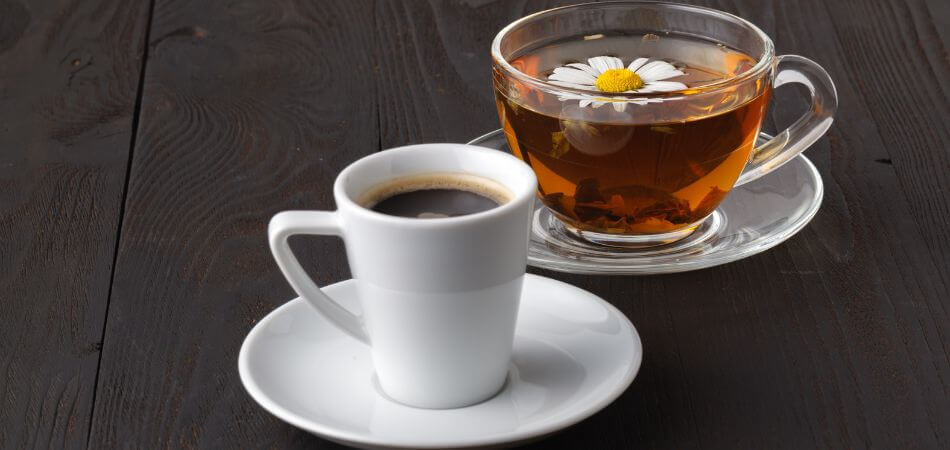
When choosing between black tea vs black coffee, one of the most important factors to consider is caffeine content. Both beverages contain caffeine, but the levels vary quite a bit. So, let’s break it down!
Caffeine in Black Tea:
- Average caffeine content: A standard 8-ounce cup of black tea contains about 40-70 milligrams of caffeine.
- Factors influencing caffeine content: The type of tea, the steeping time, and the water temperature can all affect how much caffeine is extracted. For example, Assam tea tends to have more caffeine than Darjeeling.
Caffeine in Black Coffee:
- Average caffeine content: An 8-ounce cup of black coffee contains about 95-120 milligrams of caffeine.
- Factors influencing caffeine content: The brewing method plays a huge role in determining caffeine levels. Espresso, for example, has a higher concentration of caffeine compared to drip coffee.
| Beverage | Caffeine Content (per 8oz) |
| Black Tea | 40-70 milligrams |
| Black Coffee | 95-120 milligrams |
Who wins the caffeine race? 💪
Black coffee has the upper hand when it comes to caffeine content, delivering a stronger pick-me-up for those who need a big energy boost. If you’re someone who needs a mild caffeine fix or doesn’t like the jitters, black tea might be a better choice.
Health Benefits: What Do They Offer?
Both black tea and black coffee come with impressive health benefits. Let’s take a deeper look at what each beverage can do for your body!
Health Benefits of Black Tea 🌱:
- Antioxidants:
Black tea is rich in antioxidants, particularly polyphenols, which help combat free radicals and reduce the risk of chronic diseases like cancer. - Heart Health:
Drinking black tea regularly may help reduce the risk of heart disease by improving blood vessel function and lowering cholesterol. - Digestive Health:
Black tea contains tannins, which are known to soothe the digestive system. It can help with mild stomach issues and improve digestion. - Mental Alertness:
The caffeine in black tea boosts your brain function, improving focus and alertness, but in a more balanced way than coffee.
Health Benefits of Black Coffee ☕
- Rich in Antioxidants:
Like black tea, coffee is loaded with antioxidants that fight inflammation and protect your cells from oxidative damage. - Improved Metabolism:
Black coffee boosts metabolism and helps with fat burning, making it a popular beverage for weight management. - Enhanced Mental Focus:
Coffee is well-known for its ability to improve concentration and mental clarity. It’s a go-to drink for those needing a mental edge. - Liver Protection:
Studies show that drinking black coffee regularly can lower the risk of liver diseases such as cirrhosis and fatty liver disease.
Which Drink Has More Health Benefits? 🏆
Both black tea and black coffee have unique health benefits, so the choice depends on what you need:
- Choose black tea if you want heart-healthy properties, digestive support, or a gentle caffeine boost.
- Go with black coffee if you’re looking for enhanced metabolism, liver protection, or a strong mental focus boost.

Side Effects: Are There Any Drawbacks? ⚠️
Like anything, consuming too much of either black tea or black coffee can have some negative effects. Let’s look at the potential drawbacks of each drink:
Side Effects of Black Tea:
- Stomach Irritation:
Drinking too much black tea can lead to stomach discomfort due to the tannins in the tea. It can irritate the stomach lining, causing acidity or bloating. - Iron Absorption:
Tannins in black tea can also interfere with the absorption of iron from food, so if you’re iron-deficient, it’s best to limit tea intake around meals. - Caffeine Sensitivity:
While black tea has less caffeine than coffee, it can still cause issues like restlessness or insomnia in sensitive individuals, especially if consumed in large amounts.
Side Effects of Black Coffee:
- Anxiety & Jitters:
Due to its higher caffeine content, black coffee can sometimes cause anxiety, jitteriness, and an increased heart rate, especially in those sensitive to caffeine. - Insomnia:
Consuming coffee too late in the day can disrupt sleep patterns due to its stimulant effect. It’s best to enjoy coffee in the morning or early afternoon. - Digestive Issues:
For some people, black coffee can cause acid reflux or an upset stomach, especially if consumed on an empty stomach.
Which One Should You Choose? 🤔
After comparing black tea vs black coffee in terms of taste, health benefits, caffeine content, and cultural significance, the answer really depends on your preferences. Here’s a quick guide to help you decide:
Choose Black Tea if…
- You prefer a lighter, smoother taste with moderate caffeine.
- You’re looking for digestive benefits or want to support heart health.
- You enjoy relaxing tea rituals and traditions.
Choose Black Coffee if…
- You need a strong caffeine boost to get you through the day.
- You’re looking to increase metabolism or improve mental alertness.
- You enjoy the rich, bold flavors and social rituals surrounding coffee culture.
Conclusion:
Whether you’re sipping a cup of black tea vs black coffee, both beverages offer unique experiences and benefits. Your choice should depend on what you’re looking for — whether it’s a calming cup of tea or an energizing cup of coffee to kickstart your day. Both drinks are packed with antioxidants and health benefits, so there’s no wrong choice, just a matter of preference!
Frequently Asked Questions (FAQs) 📍
- Which one has more caffeine: black tea or black coffee?
- Black coffee has more caffeine than black tea, with an average of 95-120 mg per cup compared to 40-70 mg in black tea.
- Black coffee has more caffeine than black tea, with an average of 95-120 mg per cup compared to 40-70 mg in black tea.
- Is black tea better for heart health than black coffee?
- Both black tea and black coffee offer heart health benefits, but black tea is often associated with improved circulation and reduced cholesterol levels.
- Both black tea and black coffee offer heart health benefits, but black tea is often associated with improved circulation and reduced cholesterol levels.
- Can drinking black tea help with weight loss?
- Yes! Black tea may help with weight management by boosting metabolism and supporting digestion.
- Yes! Black tea may help with weight management by boosting metabolism and supporting digestion.
- Is black coffee bad for your stomach?
- Drinking black coffee on an empty stomach can sometimes cause acidity or digestive issues in sensitive individuals.
- Drinking black coffee on an empty stomach can sometimes cause acidity or digestive issues in sensitive individuals.