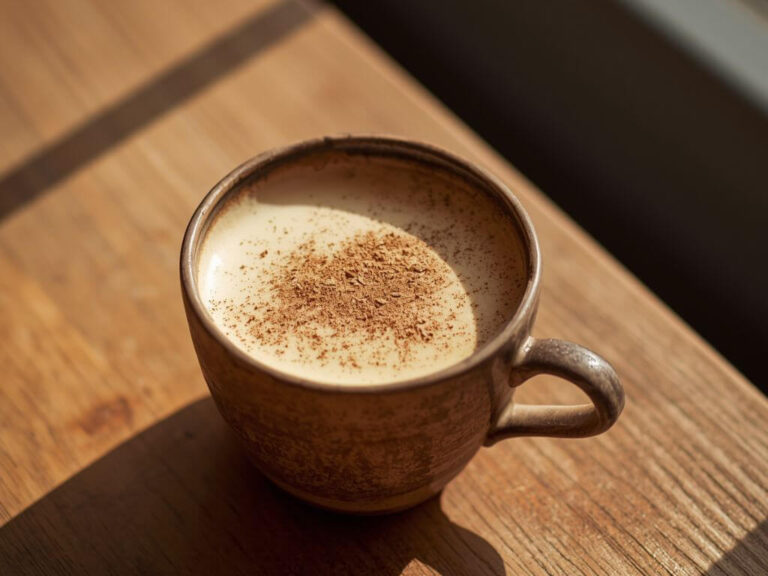
How Coffee Is Made from Start to Finish
Coffee isn’t just a drink; for many, it’s a ritual, a comfort, and sometimes even a source of inspiration. If you’re like most coffee lovers, you’ve probably wondered: exactly how coffee is made? 🤔
You might know the basics—coffee beans and water—but there’s so much more to your morning brew than meets the eye! Coffee is a complex mixture of natural compounds, flavors, and chemical reactions that all come together to create that delicious cup we can’t live without. Whether you’re sipping a cappuccino, a latte, or a black coffee, the ingredients in each cup affect its taste, aroma, and even its health benefits.
In this guide, we’ll break down the science of coffee, from the humble coffee bean to the delicious cup you hold in your hand. Get ready to discover the key components that make up coffee and how they contribute to the taste and experience!

The Basic Ingredients of Coffee
Before diving into the chemistry, let’s start with the basic building blocks of coffee. At its core, coffee is made of just two main ingredients:
- Coffee Beans 🌱
- Water 💧
Let’s break these down:
The Coffee Bean
The coffee bean is the seed of the coffee plant, and it’s the most essential ingredient in your cup of coffee. However, the “bean” you’re familiar with is actually the pit of the coffee cherry. These beans undergo various processes before they become the roasted coffee that we brew.
Here are a few key facts about coffee beans:
- Arabica vs. Robusta: The two main species of coffee beans are Arabica and Robusta. Arabica beans are known for their smoother, more complex flavors, while Robusta beans tend to be stronger and more bitter.
- From Green to Roasted: Coffee beans are initially green and must be roasted to unlock their flavors. The roasting process brings out the aromatic oils, sugars, and other compounds inside the bean.
- Parts of a Coffee Bean: A coffee bean consists of:
- Parchment: The outer protective layer.
- Endosperm: The inner part, which contains starches, proteins, and oils.
- Germ: The small part that can grow into a new plant.
Quick Fun Fact:
Did you know that the flavor of your coffee can vary depending on where the beans were grown? The soil, climate, and elevation all play a role in the final taste of your cup!
Water
Next up is water, the unsung hero of coffee. Even though water makes up 98% of your coffee, it often doesn’t get the attention it deserves. Here’s why water is so important:
- Water Quality Matters: The taste of your coffee is directly impacted by the quality of water you use. Hard water (with high mineral content) can make coffee taste harsh or bitter, while soft water (low mineral content) can result in a flat or weak flavor.
- Temperature and Extraction: The temperature of the water affects how well it extracts flavors from the coffee grounds. Water that’s too hot can extract too much bitterness, while water that’s too cold won’t extract enough of the good flavors.

The Roasting Process and Its Impact
You’ve got your coffee beans and water, but there’s still one crucial step before your morning brew: roasting. This is where the magic happens! Roasting transforms green, unflavored coffee beans into the aromatic, flavorful coffee beans we all know and love.
From Green Beans to Roasted Coffee
Coffee beans start as raw, green seeds, which look completely different from the familiar brown coffee beans you see at the store. Roasting these green beans is a delicate process that requires the right temperature, time, and technique to unlock the flavors inside.
Here’s what happens during roasting:
- Chemical Reactions: As the beans heat up, a series of chemical changes take place. The Maillard reaction (a reaction between sugars and amino acids) creates rich flavors, while caramelization gives your coffee its sweet, toasty notes.
- Bean Expansion: The beans expand as they roast, causing them to crack open. This is when the first crack occurs—an audible sign that the beans are reaching medium roast.
- Creation of Oils: Roasting also releases oils inside the beans, which contribute to the rich, full-bodied flavor and texture, especially in darker roasts.
How Roasting Affects Coffee’s Flavor
Roasting is where you can really taste the difference in coffee. The level of roast (light, medium, or dark) influences the chemical makeup and overall flavor profile of your cup.
Here’s a quick comparison of the main roast levels and how they affect taste:
| Roast Level | Flavor Profile | Common Characteristics |
|---|---|---|
| Light Roast | Bright, fruity, and acidic flavors. | High acidity, floral, and citrusy notes. |
| Medium Roast | Balanced flavors with some sweetness and mild acidity. | Mild acidity, nutty, chocolatey notes. |
| Dark Roast | Rich, bold, and often bittersweet. | Low acidity, smoky, caramelized flavors. |
Pro Tip:
The darker the roast, the less you’ll taste the unique characteristics of the origin beans. Light roasts preserve more of the natural flavors (like fruity or floral notes), while dark roasts tend to have a bolder, more uniform flavor profile.
How Brewing Method Influences Coffee Composition
Now that you know how coffee beans are made, roasted, and what chemicals they contain, it’s time to talk about brewing! The way you brew coffee can dramatically change its taste, strength, and caffeine content.
Brewing Techniques: The Art of Extraction
The brewing method you choose plays a huge role in how your coffee’s flavors are extracted. Here are a few common brewing methods and how they influence the final cup:
- Espresso:
- How It Works: Espresso is brewed by forcing hot water under high pressure through finely-ground coffee.
- Flavor Profile: Espresso has a rich, concentrated flavor, and a higher caffeine content per ounce compared to other brewing methods.
- Key Factors: Ground size, water temperature, and extraction time all affect the flavor and crema (the rich foam on top).
- Drip Coffee:
- How It Works: Water drips through a filter, extracting coffee’s flavors as it passes through the grounds.
- Flavor Profile: The flavor tends to be cleaner and milder compared to espresso.
- Key Factors: The grind size, brewing time, and water temperature all influence extraction.
- French Press:
- How It Works: Coffee grounds steep in hot water before being separated by pressing down a plunger.
- Flavor Profile: French press coffee is full-bodied with rich oils, thanks to the lack of paper filter.
- Key Factors: Brewing time and grind size matter here for creating a smooth, rich cup.
- Pour-Over:
- How It Works: Hot water is poured over coffee grounds in a filter, slowly extracting flavors.
- Flavor Profile: Typically results in a clean, nuanced cup with distinct flavors.
- Key Factors: Consistency in pouring and the grind size.
Water-to-Coffee Ratio: Strength Matters!
The ratio of water to coffee also influences how strong or weak your cup will be. Here’s a general guideline:
- Standard Ratio: 1:15 (1 gram of coffee for every 15 grams of water).
- Strong Coffee: Use a 1:12 ratio for a bolder cup.
- Weak Coffee: Use a 1:18 ratio for a lighter brew.
How Brewing Affects Caffeine Content
Caffeine is one of the most well-known components in coffee, but the amount varies based on your brewing method. Here’s a comparison of caffeine content by brewing style:
| Brewing Method | Caffeine Content (per 8oz) |
|---|---|
| Espresso | 63 mg (per ounce; about 150 mg for a 2 oz shot) |
| Drip Coffee | 95 mg (per 8 oz cup) |
| French Press | 80 mg (per 8 oz cup) |
| Pour-Over | 90 mg (per 8 oz cup) |

Common Additives and Their Role
While the core components of coffee are simple, many people like to add a few extras to enhance their cup. Let’s explore some common coffee additives and how they affect taste, texture, and nutrition.
1. Milk and Creamers 🥛
Milk or non-dairy alternatives (like almond or oat milk) can dramatically change your coffee’s flavor and texture. Here’s how:
- Creaminess: Milk adds a rich, creamy texture that softens the bitterness of coffee.
- Sweetness: The natural sugars in milk can make coffee taste sweeter without adding any extra sugar.
- Foam: Steamed milk in lattes and cappuccinos creates frothy foam that adds a light, airy texture.
Quick Tip:
For a low-calorie option, try using unsweetened almond milk or skim milk. For a richer taste, go for whole milk or cream.
2. Sweeteners 🍯
If you like your coffee on the sweeter side, there are plenty of options:
- Sugar: Classic white sugar adds sweetness but also calories.
- Flavored Syrups: Vanilla, caramel, and hazelnut syrups add both flavor and sweetness.
- Artificial Sweeteners: Options like stevia or Splenda are calorie-free, though some people don’t like the aftertaste.
3. Spices and Flavors 🌿
Spices like cinnamon, nutmeg, and vanilla can transform your cup of coffee into a cozy, aromatic experience. They add warmth and depth to your drink without the need for extra sugar.
- Cinnamon: Adds a warm, spicy flavor that pairs perfectly with dark roasts.
- Vanilla: A sweet, aromatic note that complements the natural flavors of the coffee.
- Chocolate: Adding cocoa powder can turn your coffee into a mocha-like drink.
Coffee’s Nutritional Profile
We’ve explored what makes up your cup of coffee, but have you ever wondered about its nutritional value? Here’s a quick breakdown of what you’re sipping:
| Nutrient | Amount (per 8oz black coffee) |
|---|---|
| Calories | 2-5 calories (black coffee) |
| Carbs | 0g (black coffee) |
| Fat | 0g |
| Protein | 0g |
| Caffeine | 95 mg |
Conclusion
Now that you know what coffee is made of, from the coffee beans to the water and everything in between, you can appreciate the science and complexity behind every cup. Whether you’re brewing a rich espresso, a smooth pour-over, or a cozy French press, understanding the ingredients and methods that go into coffee can enhance your appreciation for this beloved beverage.
FAQ’s
How is coffee made from animals?
Some animals eat coffee cherries, and the beans pass through their digestive system, where fermentation changes the flavor. The beans are then collected, cleaned, roasted, and brewed into coffee
Is coffee 100% plant?
Yes, coffee is 100% plant-based because it comes from roasted coffee beans, which are seeds of the coffee plant.
It stays plant-based unless you add animal products like milk or cream. ☕
How is Nescafé coffee made?
Nescafé coffee is made by brewing roasted coffee beans and then drying the liquid coffee using spray-drying or freeze-drying to create instant coffee granules.