Does Coffee Have Gluten or Not?
If you’re someone who follows a gluten-free diet, you’ve probably asked yourself, “Does coffee have gluten?” Whether it’s because of a gluten sensitivity, celiac disease, or simply wanting to avoid gluten for health reasons, it’s a question worth asking. And it’s understandable to wonder, especially since gluten seems to show up in so many surprising places. But here’s the good news: coffee, in its purest form, is naturally gluten-free. 🎉
However, while coffee itself doesn’t contain gluten, certain coffee drinks and additives can pose a risk. So, before you take your next sip, let’s dive into what you really need to know about gluten in coffee.

What is Gluten?
Before we answer the main question, let’s quickly go over what gluten is and why it matters. 🌾
Gluten is a group of proteins found in certain grains, including:
- Wheat
- Barley
- Rye
Gluten gives dough its stretchy texture, making it a key ingredient in breads, pastries, and pasta. For people with gluten sensitivity or celiac disease, consuming gluten can cause a variety of symptoms like digestive issues, fatigue, or even more severe reactions. This is why avoiding gluten is essential for some people’s health.
Why Should You Care About Gluten in Coffee?
- If you’re avoiding gluten, you probably already know to steer clear of bread, pasta, and cereal. But many don’t realize that even drinks like coffee could be a potential source of gluten—especially when flavored syrups, creamers, or other additives come into play.
But does coffee, in its basic form, have gluten? Let’s find out!
Does Coffee Itself Contain Gluten?
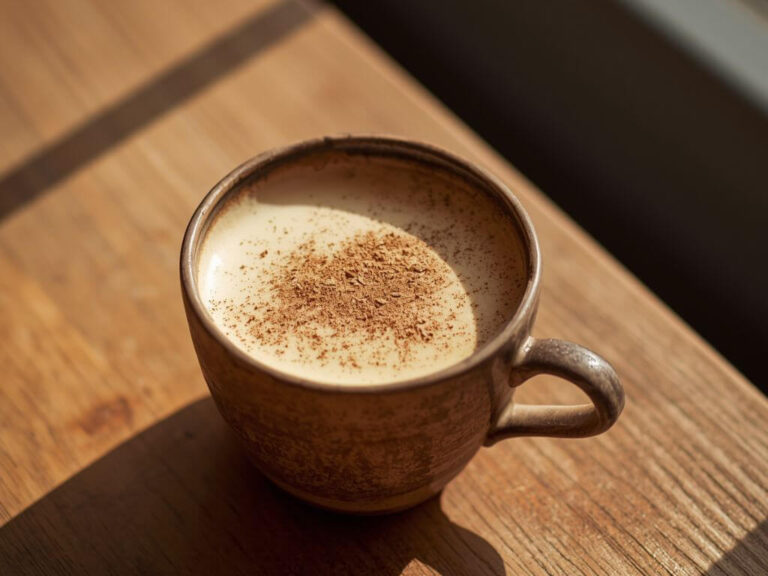
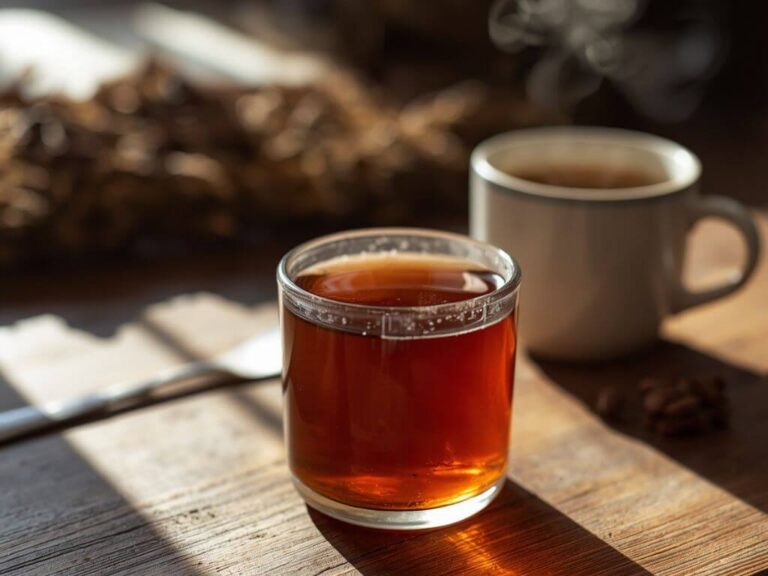
Good news: Plain coffee, whether brewed from ground beans or made from whole beans, is gluten-free! ☕💚
Here’s why:
- Coffee Beans: The beans themselves do not contain gluten. They are simply the seeds of the coffee cherry, roasted to perfection. No wheat, barley, or rye in sight.
- Brewing Methods: Whether you’re enjoying a cup of espresso, a drip coffee, or even a cold brew, the brewing process doesn’t introduce gluten. The coffee itself is 100% safe for gluten-free diets.
Key Takeaways:
- Coffee Beans: Naturally gluten-free.
- Brewing Methods: No gluten exposure during the brewing process.
- Espresso, Drip Coffee, French Press, Cold Brew: All of these are safe from gluten when made with pure coffee beans.
According to the Celiac Disease Foundation, coffee is considered safe for people with celiac disease when it is brewed from coffee beans and does not contain added gluten. So, whether you’re brewing at home or grabbing a cup at your local café, regular coffee should not be a cause for concern.
Potential Sources of Gluten in Coffee Drinks
While pure coffee is gluten-free, there are some cases where gluten could sneak in through additives. Here are some things to watch out for:
1. Flavored Coffees and Additives
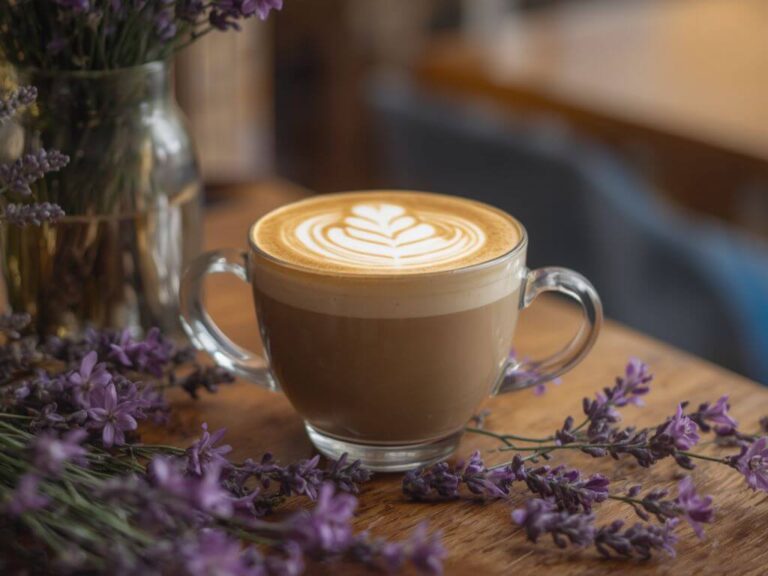
Flavored coffee can sometimes contain gluten due to added syrups, flavorings, or stabilizers. Some flavored coffee products use malt-based ingredients (like malt syrup), which come from barley, a gluten-containing grain.
What to do: Stick to plain, unflavored coffee, or make sure any flavored options are labeled as “gluten-free.”
2. Coffee Creamers and Milk Alternatives
Some commercial creamers or milk alternatives may have added gluten to improve texture or shelf life. This is particularly common with non-dairy creamers that may contain thickeners made from wheat or barley.
What to do: Always check the labels, especially for non-dairy creamers, flavored milk alternatives (like almond or oat milk), and any added flavorings.
3. Cross-Contamination at Coffee Shops
If you’re grabbing a cup of coffee from a café or restaurant, there’s a small risk of cross-contamination with gluten. If pastries or sandwiches containing gluten are prepared in the same space as your coffee, there’s a chance that crumbs or flour dust could land in your drink.
What to do: Ask your barista about their gluten-free practices and whether they can ensure no cross-contact. Some coffee shops, like Starbucks, offer gluten-free options and can make accommodations upon request.
What to Look For When Buying Coffee (or Ordering Out)
When you’re shopping for coffee or ordering from a café, here are some things to keep in mind to ensure you’re staying gluten-free:
Tips for Buying Gluten-Free Coffee:
| What to Check | Why It Matters |
| Labeling | Look for gluten-free labeling on flavored coffee products and pre-ground coffee. |
| Ingredients List | Check for any gluten-containing ingredients like malt syrup, wheat flour, or barley extract. |
| Coffee Bean Origin | Ensure the beans are processed in a gluten-free facility if you’re highly sensitive to gluten. |
| Milk Alternatives | Confirm whether plant-based milk contains any gluten or gluten-derived ingredients. |
| Flavored Coffees | Flavored coffees might contain gluten if they use certain additives—opt for plain coffee when in doubt. |
Ordering Gluten-Free Coffee at Coffee Shops:
- Ask for Plain Coffee: Espresso, cold brew, and drip coffee are typically gluten-free, but flavored syrups and creamers might not be.
- Request a Gluten-Free Syrup: Some coffee shops offer gluten-free syrups. Just double-check with your barista!
- Check Cross-Contamination Practices: If you’re highly sensitive to gluten, ask how the coffee is prepared to avoid cross-contact.
Pro Tip: Starbucks and other major chains offer specific gluten-free drink options. When in doubt, customize your order!

Can Coffee Cause Gluten Reactions?
For most people with gluten sensitivity or celiac disease, pure coffee is safe. However, there are a few cases where coffee could potentially cause issues:
- Cross-Contamination: If you have a severe reaction to even the smallest trace of gluten, cross-contamination from flavored syrups, creamers, or the preparation area could be a concern.
- Additives in Pre-Packaged Coffees: Some pre-ground or flavored coffee blends may have trace amounts of gluten if processed in shared facilities.
What to Do:
- Stick to Plain Coffee: The simplest way to avoid any issues is to stick with unflavored coffee from reputable sources.
- Be Careful with Specialty Drinks: If you’re at a café, ask about their ingredients and preparation methods to avoid any potential gluten exposure.
Conclusion:
So, to wrap it all up: Plain coffee is gluten-free! Whether you love a good espresso shot or prefer a smooth drip brew, you can enjoy your coffee without worry—assuming it’s made from pure coffee beans.
But remember, flavored coffees, creamers, syrups, and cross-contamination at coffee shops can sometimes introduce gluten, so always be mindful of what you’re adding to your coffee.
For the safest option, choose coffee that’s labeled gluten-free, or better yet, stick with the basics: fresh, brewed coffee from pure coffee beans. ☕💪
FAQs
Does iced coffee have gluten?
Iced coffee is just regular coffee, so it’s gluten-free unless flavored syrups or additives are used.
Can I drink coffee if I have celiac disease?
Yes, pure coffee is safe for people with celiac disease. Just watch out for flavored coffees or additives that may contain gluten.
Are there gluten-free coffee beans?
All coffee beans are naturally gluten-free, but it’s important to ensure there’s no cross-contamination during processing.