
Can You Eat Coffee Grounds? Pros, Cons & Smart Ways to Use Them
You’ve probably enjoyed a hot cup of coffee in the morning, but have you ever wondered about the leftover coffee grounds? Maybe you’ve seen someone sprinkle them in their garden or use them in their skincare routine, but what about eating them?
The question “Can you eat coffee grounds?” might sound a bit odd at first, but it’s not as crazy as it seems. As more people explore health-conscious diets and unique ways to use everyday items, coffee grounds have found their way into some interesting discussions. So, is it safe to eat coffee grounds? And if so, are there any health benefits or risks?
In this article, we’ll dive into the surprising truth about eating coffee grounds and explore everything you need to know—from their potential health benefits to how they might impact your digestive system. By the end of this post, you’ll have all the info to decide whether adding coffee grounds to your diet is a good idea or not. Let’s start exploring!
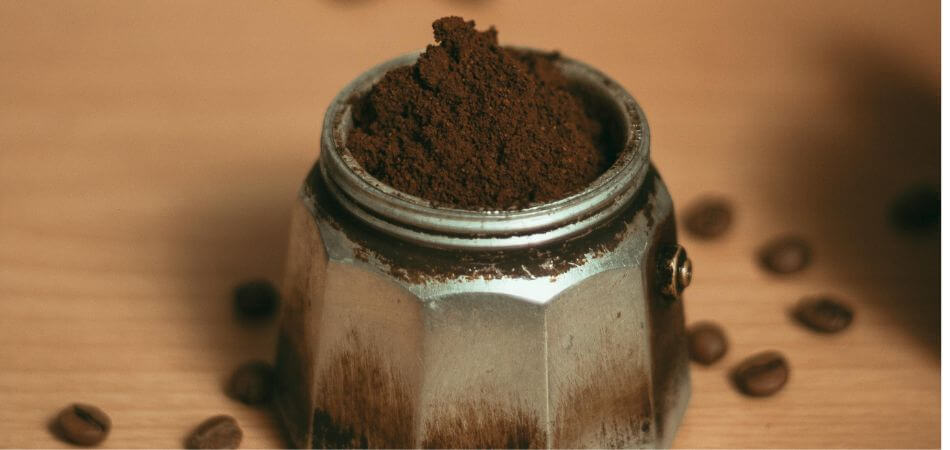
What Are Coffee Grounds?
Coffee grounds are simply the leftover bits of coffee beans after brewing. When coffee beans are ground, they’re ready to be brewed into your favorite cup of coffee. After brewing, the remaining ground particles are what we call coffee grounds. They’re typically discarded, but they have many uses beyond the coffee cup!
Here’s a quick breakdown of how coffee grounds come about:
- Coffee Beans: The raw form of coffee that needs to be roasted and ground to make coffee.
- Grinding: Coffee beans are ground into smaller particles depending on the brewing method.
- Brewing: Coffee grounds are mixed with hot water to extract flavors and caffeine.
- Leftover Grounds: The used grounds after brewing, often discarded or reused.
Common Uses for Coffee Grounds:
While many of us throw coffee grounds away, here are a few common ways they’re reused:
| Use | Benefit |
|---|---|
| Composting | Adds nitrogen to compost for gardens. |
| Skin Care | Acts as an exfoliant and can improve skin texture. |
| Natural Cleaner | Helps scrub stubborn stains and grime. |
| Deodorizer | Neutralizes bad smells in the fridge or shoes. |
| Repels Pests | Keeps ants and other insects away. |
As you can see, coffee grounds aren’t just for the trash—they’re an incredibly versatile product. But can you eat them? Let’s explore the possibilities in the next section.
Can You Eat Coffee Grounds?
Now, let’s answer the burning question: Can you eat coffee grounds?
Yes, you can technically eat coffee grounds, but that doesn’t mean you should. Here’s what you need to know:
Are They Safe to Eat?
Coffee grounds are edible, but they’re not easy to digest in their raw form. They have a very gritty texture that can be hard on your stomach, especially if you’re not used to consuming fiber-rich foods.
Possible Risks of Eating Coffee Grounds:
- High Caffeine Content
Eating coffee grounds means consuming concentrated amounts of caffeine. If you’re sensitive to caffeine, this could lead to:- Jitters 🏃♀️
- Increased heart rate 💓
- Digestive discomfort 🌚
- Digestive Issues
Coffee grounds contain insoluble fiber, which can be tough on your stomach and intestines. Consuming too many could lead to bloating, gas, or an upset stomach. - Bitter Taste
Coffee grounds are, well, very bitter. Eating them plain might not be enjoyable for most people unless mixed with something else to mask the taste.
How to Safely Eat Coffee Grounds?
If you’re still curious and want to try coffee grounds in your diet, here are some ways to make it more enjoyable and safe:
- Mix with Smoothies: Blend coffee grounds into your smoothies for an added boost of fiber and flavor.
- Baking: Add a tablespoon or two of ground coffee to cookies or cakes. This will give your baked goods a nice coffee flavor without the bitterness.
- Sprinkle on Foods: Coffee grounds can be sprinkled on oatmeal, yogurt, or granola to give them a subtle coffee kick.
Tip: If you’re new to eating coffee grounds, start small to avoid overwhelming your stomach with caffeine or fiber.
Health Benefits of Eating Coffee Grounds
Now that we’ve established that you can technically eat coffee grounds, let’s dive into the potential health benefits of doing so. Surprisingly, there are several benefits, many of which are tied to the nutrients packed inside those gritty grounds. Let’s break them down!
1. Packed with Antioxidants
Coffee is well-known for being a rich source of antioxidants, which help protect your body from harmful free radicals. But did you know that coffee grounds still retain a significant amount of these powerful compounds after brewing?
- Antioxidants like polyphenols in coffee grounds can help:
- Reduce inflammation 🔥
- Fight oxidative stress ✨
- Support overall heart health 💖
By eating coffee grounds, you’re getting a natural boost of antioxidants—something your body can definitely benefit from, especially when you’re looking to protect your cells from aging and disease.
2. Boosting Metabolism & Weight Loss
Coffee grounds are also a natural source of caffeine, the same ingredient that helps kickstart your morning energy levels. But beyond just making you feel more awake, caffeine can help:
- Boost your metabolism: Caffeine has been shown to increase the thermogenesis process, meaning your body burns more calories to generate heat.
- Aid in weight loss: Some studies suggest that caffeine can help you burn fat more effectively when consumed regularly.
So, by consuming small amounts of coffee grounds, you may get a slight boost to your metabolism, which could aid in weight management. However, moderation is key here—too much caffeine can have the opposite effect!
3. Rich in Fiber for Digestive Health
One of the standout benefits of eating coffee grounds is their fiber content. Coffee grounds contain insoluble fiber, which is known to:
- Improve digestion by aiding the movement of food through the digestive tract.
- Help prevent constipation by adding bulk to your stool.
- Keep your digestive system functioning smoothly by promoting regular bowel movements.
While the amount of fiber in coffee grounds is relatively small, it can still provide a gentle digestive boost when added to your diet.
4. Good Source of Essential Minerals
Coffee grounds are also rich in essential minerals that support overall health. These include:
- Magnesium: Important for muscle function, nerve transmission, and bone health.
- Potassium: Supports healthy blood pressure levels and proper muscle function.
- Phosphorus: Essential for healthy bones and teeth, as well as energy production.
While you’d need to consume a significant amount of coffee grounds to get your full daily requirement of these minerals, they still provide a valuable nutrient boost.
Summary of Health Benefits
| Benefit | Details |
|---|---|
| Antioxidants | Protects cells from oxidative damage. |
| Boosts Metabolism | May help increase fat burning and calorie expenditure. |
| Fiber | Supports healthy digestion and bowel movements. |
| Minerals | Provides magnesium, potassium, and phosphorus for overall health. |
Risks of Eating Coffee Grounds
While there are some compelling benefits to eating coffee grounds, there are also potential risks that you need to be aware of before incorporating them into your diet.
1. Over-Caffeination
One of the most significant risks of eating coffee grounds is the potential for over-caffeination. Coffee grounds contain concentrated amounts of caffeine, which could lead to:
- Increased anxiety or jitters 😬
- Sleep disturbances 😴
- Elevated heart rate and high blood pressure 💔
If you’re already consuming coffee or other caffeinated beverages throughout the day, eating coffee grounds could push you over the recommended daily limit of caffeine (which is about 400 milligrams for most adults).
2. Digestive Discomfort
While coffee grounds are a source of fiber, they can be a bit harsh on your stomach if eaten in large amounts. The insoluble fiber can be difficult to digest and may cause:
- Bloating 💨
- Gas 💨
- Stomach discomfort 🤢
If you’re not accustomed to high amounts of fiber, eating too many coffee grounds can leave you feeling uncomfortable. It’s best to start with small quantities to see how your body reacts.
3. Bitter and Unpleasant Taste
Coffee grounds are naturally bitter and can have a gritty texture that might not be enjoyable for everyone. While some people may find the taste bearable or even enjoyable when mixed into smoothies or baked goods, others may struggle with it.
To minimize the bitterness, you can try adding the grounds to flavored recipes that balance out the taste, such as sweet smoothies or desserts.
Creative Ways to Incorporate Coffee Grounds into Your Diet
If you’re feeling adventurous and want to try incorporating coffee grounds into your diet, there are plenty of creative ways to do so that don’t involve eating them raw! Here are a few ideas:
1. Add to Smoothies
One of the easiest ways to consume coffee grounds is by blending them into your smoothie. This adds a delicious coffee flavor and a dose of fiber without the gritty texture.
How to Add Coffee Grounds to a Smoothie:
- 1 tsp of coffee grounds
- 1 cup of milk or almond milk
- 1 banana (for sweetness)
- 1 tbsp of honey or maple syrup (optional)
Blend together for a tasty and energizing drink.
2. Use in Baking
Coffee grounds can add a deep, rich flavor to baked goods. Add them to cakes, cookies, or brownies for an extra coffee kick.
Baking Idea:
- Add 1–2 teaspoons of coffee grounds to your brownie or cookie dough.
- Use them to enhance the flavor of chocolate desserts.
3. Sprinkle Over Yogurt or Oatmeal
For a simpler option, sprinkle a small amount of coffee grounds over your morning yogurt or oatmeal. This adds flavor without overpowering your dish.
Pro Tip: Combine the coffee grounds with a bit of cinnamon or cocoa powder to balance out the bitterness.
Alternatives to Eating Coffee Grounds
If eating coffee grounds doesn’t sound appealing to you, don’t worry! There are plenty of other ways to enjoy the benefits of coffee grounds without ingesting them. Here are a few alternatives:
- Use in Skincare: Coffee grounds are great for exfoliating and can help improve skin texture. Use them in DIY scrubs for smooth skin.
- Composting: Coffee grounds are rich in nitrogen and make a great addition to your compost pile for a healthier garden.
- Natural Cleaning: Coffee grounds are abrasive and can be used to scrub pots, pans, and even your sink.
Conclusion
So, can you eat coffee grounds? Yes, you can! But like with most things, moderation is key. While coffee grounds can offer some impressive health benefits—such as antioxidants, fiber, and minerals—they also come with potential risks, including digestive discomfort and over-caffeination.
If you choose to incorporate them into your diet, be sure to start small and experiment with creative ways to enjoy them, like adding them to smoothies or baked goods.
At the end of the day, it’s all about balance. Whether you’re using them for health benefits, flavor, or their environmental advantages, coffee grounds have more to offer than just sitting in the trash.
FAQ’s
Why am I craving coffee grounds?
Craving coffee grounds may be linked to a mineral deficiency (like iron) or a condition called pica, where people crave non-food items.
Does eating coffee grounds have the same effect as drinking coffee?
Eating coffee grounds can give you caffeine, but not as efficiently as drinking brewed coffee.
The absorption is slower, and digestion may cause discomfort for some people.