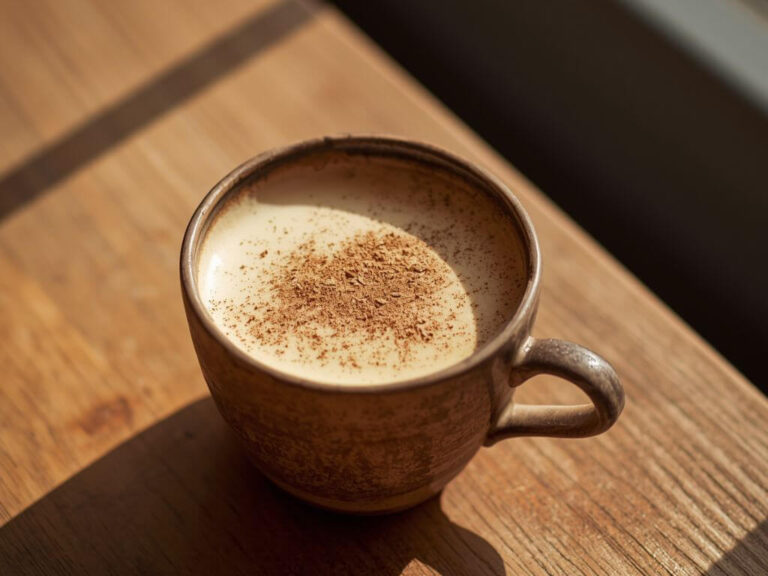
Top 10 Benefits of Drinking Decaf Coffee – Is It Healthier Than Regular Coffee?
Decaf coffee – a delicious alternative that allows you to enjoy all the rich flavors of coffee without the side effects.
You might be thinking, “Is decaf coffee as good as the regular kind?” or “Does decaf have any benefits at all?” Well, you’re in the right place! In this post, we’ll dive into the many benefits of drinking decaf coffee, showing you why it might just be the perfect addition to your daily routine.
Whether you’re looking for better sleep, less anxiety, or a gentler stomach, decaf coffee offers more than just a caffeine-free option. Let’s explore how making the switch to decaf could improve your health and lifestyle.

How is Decaf Coffee Made?
Decaf coffee is made from regular coffee beans, but with the caffeine removed. The process of decaffeination takes place before the beans are roasted, ensuring that the final product contains only a fraction of the caffeine content of regular coffee.
There are several methods used to remove the caffeine:
- Water Processing: A natural method that uses water to extract caffeine. It’s considered one of the safest and most organic methods.
- Chemical Decaffeination: Uses solvents like methylene chloride or ethyl acetate to remove caffeine from the beans.
- CO2 Decaffeination: Carbon dioxide is used to extract caffeine in a more environmentally friendly way, often leading to a cleaner taste.
While decaf beans go through a decaffeination process, it’s important to note that decaf coffee still contains a small amount of caffeine. Typically, it has about 2 to 5 milligrams of caffeine per 8-ounce cup, compared to the 95 milligrams in regular coffee.
Decaf vs. Regular Coffee
Here’s a quick comparison:
| Aspect | Decaf Coffee | Regular Coffee |
|---|---|---|
| Caffeine Content | 2–5 mg per cup | 95 mg per cup |
| Taste | Milder, smoother | Stronger, more intense |
| Health Benefits | Rich in antioxidants, less anxiety | Boosts energy, focus, alertness |
| Best for | Those who are caffeine-sensitive | Those who need an energy boost |
How Does Caffeine Affect Sleep?
Caffeine is a stimulant that blocks adenosine, a neurotransmitter responsible for promoting sleep and relaxation. This means that drinking a cup of regular coffee, especially in the afternoon or evening, can interfere with your body’s natural sleep cycle. As a result, you may find yourself wide awake when you’d rather be winding down.
Decaf Coffee for Restful Nights
When you switch to decaf coffee, you’re reducing your caffeine intake without giving up your beloved cup of coffee. This makes it the perfect option for evening coffee lovers who don’t want to risk disrupting their sleep. Here’s how decaf coffee can help improve your sleep:
- Milder Stimulation: Since decaf coffee contains only a small amount of caffeine (2-5 mg), it’s unlikely to keep you awake.
- Enjoy Coffee Without the Jitters: You can sip decaf in the evening and relax without worrying about feeling jittery or anxious.
- Better Sleep Quality: Research suggests that drinking decaf coffee can lead to better sleep for those who are sensitive to caffeine. According to the National Sleep Foundation, caffeine can stay in your system for up to 8 hours, which is why switching to decaf can help ensure you get a full night’s rest.

Reduced Anxiety and Stress Levels
We all know the feeling of having too much caffeine – the nervous energy, the increased heart rate, the jittery hands. While some people thrive on caffeine, others experience heightened anxiety or stress, especially if they drink too much.
If you’re one of those people who tends to feel anxious after your morning cup of coffee, switching to decaf could make a world of difference.
Caffeine and Anxiety: The Link
Caffeine stimulates the central nervous system, which can lead to symptoms like increased heart rate, nervousness, and even panic attacks in some individuals. For people who already experience anxiety, caffeine can exacerbate these symptoms, making it difficult to relax or focus.
Decaf Coffee: A Calmer Option
Since decaf coffee contains far less caffeine, it’s much gentler on the body and mind. Here are some of the ways decaf coffee can help reduce anxiety and stress:
- Calming Effects: With less caffeine, your body isn’t subjected to the overstimulation that regular coffee can cause.
- Better Focus: Without the jittery effects of caffeine, you can enjoy a clearer, more focused mind.
- Reduced Nervousness: For those prone to anxiety, decaf coffee offers the calming ritual of coffee drinking without the added stress.
In fact, many people find that drinking decaf coffee throughout the day keeps them calm and focused without the ups and downs of caffeine.
The Power of Antioxidants in Decaf Coffee
Coffee is one of the largest sources of antioxidants in the average diet, and decaf coffee is no exception. Antioxidants help neutralize harmful free radicals in the body, which can reduce the risk of chronic diseases and inflammation. Here are just a few of the health benefits decaf coffee can offer:
- Anti-Inflammatory Properties: Antioxidants help reduce inflammation, which may contribute to chronic conditions like arthritis and heart disease.
- Heart Health: Studies suggest that the antioxidants in decaf coffee can help improve blood circulation and reduce the risk of cardiovascular disease.
- Reduced Risk of Certain Diseases: Regular consumption of decaf coffee may be linked to a lower risk of diseases such as Type 2 diabetes and neurodegenerative conditions like Alzheimer’s.
Despite the decaffeination process, decaf coffee retains a significant amount of these health-boosting antioxidants, making it a great choice for your overall well-being.
Why Does Coffee Upset the Stomach?
Coffee is naturally acidic, and the caffeine in regular coffee can increase the production of stomach acid, leading to discomfort. For individuals with digestive issues like gastritis or acid reflux, this can be particularly problematic. Decaf coffee, on the other hand, is often easier on the stomach.
How Decaf Coffee Helps
Switching to decaf coffee may reduce the likelihood of experiencing these uncomfortable digestive symptoms:
- Lower Acidity: Decaf coffee is typically less acidic than regular coffee, making it gentler on the stomach.
- Fewer Digestive Issues: Many decaf drinkers report fewer issues with acid reflux and heartburn compared to those who drink regular coffee.
- Better for Sensitive Stomachs: If you have a sensitive stomach or digestive condition, decaf coffee might be your best bet for enjoying coffee without the aftereffects.

Does Coffee Dehydrate You?
One common myth is that coffee, due to its caffeine content, leads to dehydration. While it’s true that caffeine has a mild diuretic effect (meaning it increases urine production), this effect is much less pronounced in decaf coffee. In fact, studies have shown that decaf coffee can actually contribute to your daily fluid intake without causing dehydration.
Decaf Coffee as a Hydrating Beverage
Here’s how decaf coffee can help keep you hydrated:
- Mild Diuretic Effect: While regular coffee can increase urine output slightly, the diuretic effect in decaf is minimal due to its reduced caffeine content.
- Hydration Boost: Decaf coffee is 98% water, making it an excellent way to contribute to your daily hydration goals.
- Ideal for Sensitive Stomachs: Since decaf is gentler on the stomach, it’s a great option for people who are sensitive to caffeine’s harsher effects on digestion, yet still want to stay hydrated.
How Much Decaf Coffee Can You Drink for Hydration?
Decaf coffee can easily be included in your daily hydration plan. Just like with regular coffee, moderation is key. Aim to enjoy 1-3 cups of decaf coffee a day without worrying about dehydration. Here’s a quick comparison:
| Beverage | Hydration Contribution |
|---|---|
| Decaf Coffee (8 oz) | Contributes to hydration without the diuretic effect of regular coffee |
| Water (8 oz) | Direct hydration |
| Juice (8 oz) | Hydrating, but also contains sugars and calories |
As you can see, decaf coffee can be a nice part of your daily liquid intake without affecting your hydration goals.
How Decaf Coffee Supports Heart Health
Decaf coffee provides the benefits of coffee without the caffeine-related risks. Here’s how it can help your heart:
- Lower Blood Pressure: Some studies suggest that decaf coffee may help lower blood pressure in people who are sensitive to caffeine.
- Reduced Risk of Heart Disease: Decaf coffee retains many of the beneficial antioxidants found in regular coffee, which can contribute to heart health by reducing oxidative stress and inflammation.
- Safer Option for Sensitive Individuals: For people with high blood pressure, decaf coffee offers a heart-healthy alternative without the stimulating effects of regular coffee.
In fact, research has shown that moderate decaf coffee consumption is linked to a reduced risk of cardiovascular disease, including stroke and heart attack.
Conclusion
As we’ve explored, the benefits of drinking decaf coffee go beyond just avoiding caffeine. From improving your sleep quality and reducing anxiety to offering hydration and supporting heart health, decaf coffee has a lot to offer. Plus, it’s the perfect option for those who love the ritual of coffee without the jittery side effects.
If you’re someone who wants to enjoy the taste and experience of coffee, but without the caffeine buzz, decaf might just be the perfect choice for you. So, the next time you’re in the mood for a cup, consider reaching for decaf – your body and mind will thank you!
Frequently Asked Questions (FAQs)
Does decaf coffee have caffeine?
Yes, decaf coffee contains a small amount of caffeine – typically around 2-5 milligrams per 8-ounce cup. This is much less than the 95 milligrams found in regular coffee.
Is decaf coffee bad for you?
No, decaf coffee is generally considered safe and can offer health benefits such as improved sleep, reduced anxiety, and antioxidant properties. However, it’s always best to enjoy it in moderation.
Can I drink decaf coffee at night?
Absolutely! Decaf coffee is a great option for those who want to enjoy coffee in the evening without disrupting their sleep.