Coffee vs Latte – Which One Fits Your Taste and Lifestyle?
If you’re a coffee enthusiast, you’ve probably found yourself standing at the café counter, wondering whether to go for your usual black coffee or indulge in a creamy, frothy latte. But here’s the million-dollar question: What’s the real difference between coffee and latte?
Both are staples in coffee culture, but they’re far from the same. Whether you’re looking for a quick, strong caffeine boost or a smooth, indulgent drink to savor, understanding the key differences will help you make an informed choice next time you’re at the café.
In this article, we’ll dive into the world of coffee vs. latte—exploring what sets them apart, their health benefits, and which one is right for you.
What is Coffee?
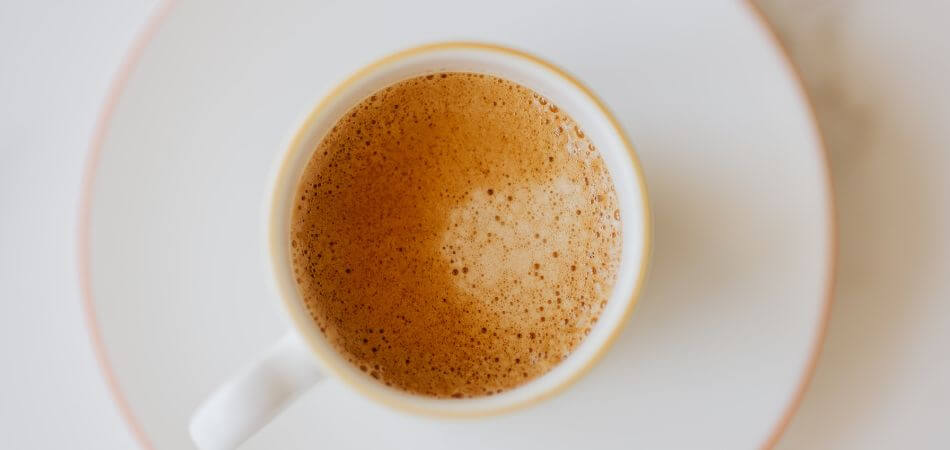
Coffee is one of the world’s most consumed beverages, known for its rich aroma and ability to provide an energy boost. But when we talk about coffee, we’re referring to a range of different drinks. Here’s what makes coffee, well, coffee:
- Base Ingredients: Coffee is made from coffee beans that are roasted, ground, and brewed. The basic form is brewed black coffee, which has no added milk or cream.
- Types of Coffee:
- Espresso: A concentrated coffee brewed by forcing a small amount of nearly boiling water through finely-ground coffee beans. It’s the base for many other coffee drinks, including lattes.
- Americano: Espresso diluted with hot water, creating a more traditional black coffee.
- Drip Coffee: The classic coffee made by dripping hot water through ground coffee beans in a filter.
- Black Coffee: A simple brew without milk or cream, just pure coffee.
Why is coffee so popular?
- Boosts alertness: The caffeine in coffee helps you stay awake and focused.
- Rich in antioxidants: Coffee is packed with antioxidants that may contribute to improved health.
What is a Latte?
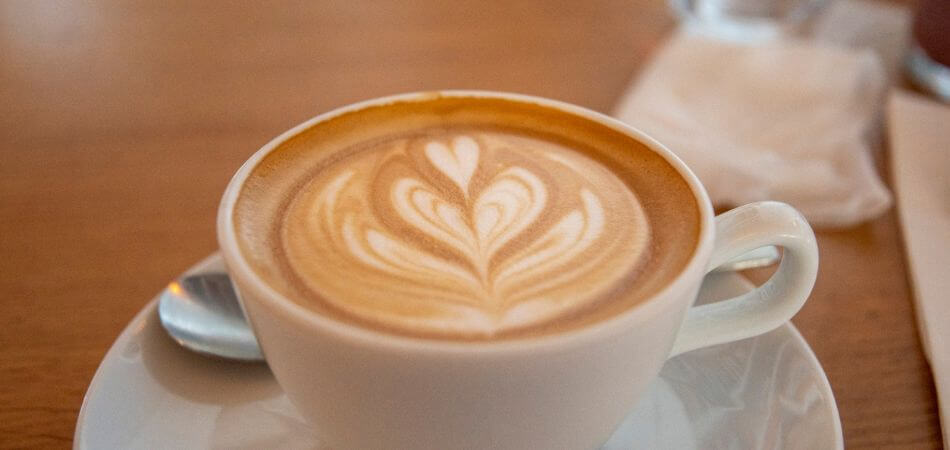
A latte, short for caffè latte (Italian for “milk coffee”), is a smooth and creamy coffee beverage made with espresso and steamed milk. Here’s a breakdown of what makes a latte special:
- Ingredients:
- Espresso: The strong, concentrated coffee shot forms the base of the drink.
- Steamed Milk: The milk is steamed to a velvety texture that adds creaminess.
- Milk Foam: A small amount of milk foam is added on top to give it a frothy finish.
- Variations: Lattes come in various flavors. Some popular variations include:
- Vanilla Latte
- Caramel Latte
- Matcha Latte
- Iced Latte
Why do people love lattes?
- The smooth texture makes it more approachable for those who might find straight coffee too bitter.
- It’s the perfect balance of strong coffee and creamy milk, making it a comforting drink to sip on throughout the day.

Key Differences Between Coffee and Latte
At this point, you might be asking, “So, how exactly do coffee and latte compare?” Let’s break it down in the table below:
| Aspect | Coffee | Latte |
|---|---|---|
| Base Ingredient | Ground coffee beans | Espresso |
| Main Taste Profile | Strong, bold, and often bitter | Creamy, smooth with a hint of bitterness |
| Texture | Thin, watery (no milk) | Thick, velvety smooth texture due to milk |
| Milk | No milk | Contains steamed milk and a small foam top |
| Caffeine Content | Higher (depending on brew) | Lower (due to the dilution from milk) |
| Serving Size | Typically smaller (Espresso, Americano) | Larger (about 12-16 oz, depending on size) |
Health Benefits of Coffee vs. Latte
When choosing between coffee and a latte, you might also want to consider the health benefits. Both beverages can offer you something beneficial, but they come with different perks!
- Coffee:
- Rich in antioxidants: Coffee is loaded with antioxidants that help reduce inflammation.
- Boosts brain function: Caffeine in coffee is known to improve focus and alertness.
- Potential fat-burning effects: Studies suggest that coffee may increase metabolic rate slightly, which could help in weight management.
- Latte:
- Calcium and vitamin D: Thanks to the milk, a latte provides essential nutrients like calcium and vitamin D.
- Less caffeine: Since a latte has milk, it might be a gentler option for people sensitive to caffeine.
- Easier on the stomach: The milk in a latte can buffer the acidity of the coffee, making it easier to digest.
When to Choose Coffee Over a Latte and Vice Versa
So, when should you go for a coffee, and when is it better to opt for a latte?
- Choose Coffee if:
- You need a quick, strong caffeine boost.
- You prefer black coffee or something with minimal ingredients.
- You’re watching your calorie intake (black coffee is virtually calorie-free).
- Choose Latte if:
- You’re looking for a smooth, comforting drink.
- You prefer a creamier texture with a bit of sweetness from the milk.
- You want to enjoy the flavors of coffee without the intense bitterness.
Which One is Right for You?
At the end of the day, the choice between coffee and latte comes down to your personal taste and preferences. Do you enjoy a bold, no-nonsense coffee or a creamy, milky drink to take the edge off? Here are a few things to consider:
- If you want a strong, straightforward caffeine fix, coffee is your best bet.
- If you’re in the mood for something creamy, comforting, or a little more indulgent, a latte is the way to go.
Conclusion
In the battle of coffee vs. latte, the right choice is all about your taste and what kind of experience you want. Whether you’re looking for a quick jolt of energy or a creamy treat to sip on, both drinks bring something unique to the table.
So, next time you’re at your favorite café, make your choice with confidence! Would you like a strong cup of coffee or a smooth latte? Or maybe, just maybe, you’ll enjoy both—each at the right moment.
FAQs
Does a latte have more caffeine than coffee?
No, coffee typically has more caffeine due to the concentrated form of espresso. However, a latte contains espresso, so it still provides a good amount of caffeine.
Can I make a latte with non-dairy milk?
Yes! You can make a delicious latte with almond, oat, or soy milk as an alternative to regular dairy milk.
Which one is better for weight loss, coffee or latte?
Black coffee is a lower-calorie option since lattes contain milk, which adds extra calories. However, lattes are still a great option if you’re looking for something creamy without the added sugar.