How Much Caffeine in Latte? Complete Breakdown by Size & Type
If you’re a coffee lover, you’ve probably found yourself wondering, “How much caffeine is in a latte?” Whether you’re heading to your local coffee shop or making your favorite brew at home, it’s essential to understand the caffeine content in your drink.
The amount of caffeine in a latte can vary, but knowing what to expect helps you make informed decisions about your daily caffeine intake. After all, we all want the energy boost that a latte provides, but we also want to avoid that jittery feeling or losing sleep at night.
In this article, we’ll break down everything you need to know about how much caffeine in latte. From its ingredients to how it compares to other coffee drinks, we’ll cover it all!
What is a Latte?
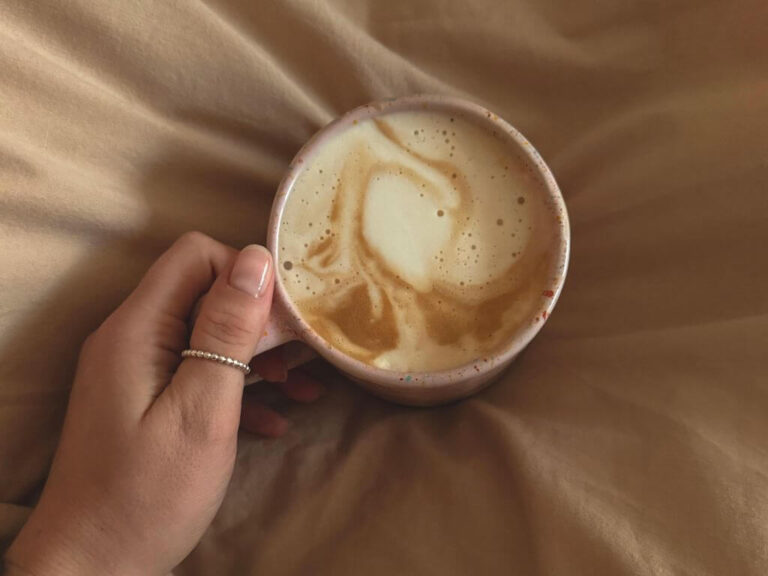
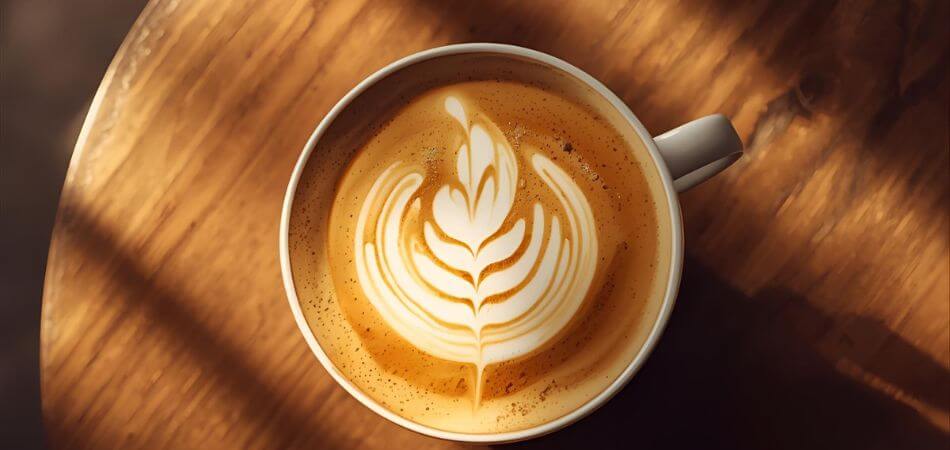
Before diving into the caffeine content, let’s first define what a latte is. A latte, short for caffè latte (Italian for “milk coffee”), is a popular coffee drink made with espresso and steamed milk. The key difference between a latte and other coffee drinks like cappuccinos or Americanos is the milk-to-espresso ratio.
A traditional latte consists of:
- 1 or 2 shots of espresso
- Steamed milk
- A small amount of milk foam on top
Lattes are loved for their creamy, smooth texture, thanks to the large amount of milk that balances the strong espresso flavor. Whether you enjoy it hot or iced, a latte offers a more mellow flavor compared to stronger coffee drinks like black coffee or straight espresso shots.
But let’s focus on the most important question: How much caffeine does this delicious coffee drink pack?
Breakdown of a Latte’s Ingredients
Now that we know what makes up a latte, let’s look at how each ingredient contributes to the overall caffeine content.
Espresso: The Caffeine Powerhouse
Espresso is the heart of a latte. It’s a concentrated coffee shot made by forcing hot water through finely-ground coffee beans. The caffeine content in espresso is much higher than regular brewed coffee, which makes it the main contributor to the caffeine in your latte.
- A single shot of espresso contains about 63 milligrams of caffeine on average.
- Double shots (which are often used in larger lattes) contain about 126 milligrams of caffeine.
Milk: No Caffeine, but a Key Player
Milk is added to a latte to give it its signature creamy texture and smooth taste. While milk doesn’t contribute any caffeine, it plays a significant role in balancing out the espresso’s strong flavor. Whether you choose whole milk, skim milk, or a dairy alternative, the milk adds richness to the drink without impacting the caffeine content.
Next, let’s discuss the exact caffeine content you can expect in a latte, and how different factors like drink size and espresso shots influence it. Keep reading!
Caffeine Content in a Latte
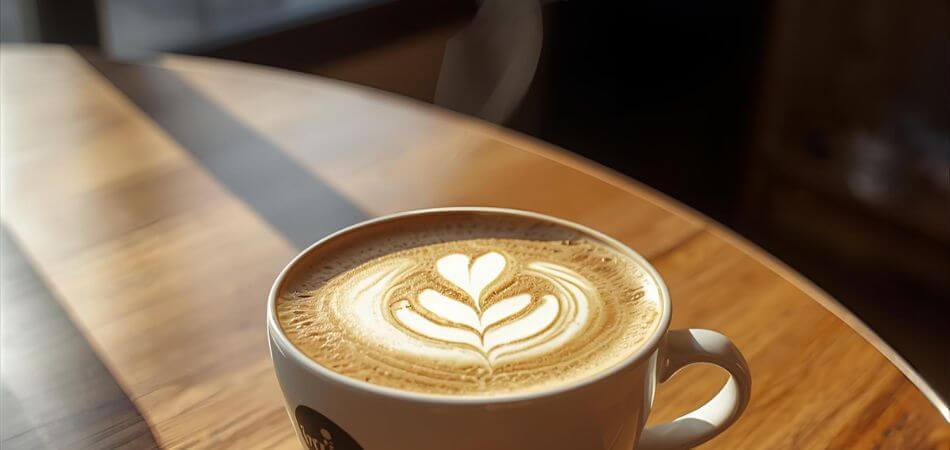
When it comes to determining how much caffeine is in a latte, the main factor is the number of espresso shots used in your drink. Typically, a latte is made with one or two shots of espresso, but the exact amount of caffeine can vary based on factors like the coffee shop and the size of your drink.
Standard Caffeine Amount in Espresso:
As mentioned earlier, one shot of espresso contains about 63 milligrams of caffeine on average.
Here’s a quick breakdown of caffeine content based on different espresso shot counts:
| Espresso Shots | Caffeine Content |
|---|---|
| 1 Shot | 63 mg |
| 2 Shots | 126 mg |
| 3 Shots | 189 mg |
How Much Caffeine is in a Regular Latte?
- Small Latte (1 shot): If you’re ordering a small latte, which usually contains a single shot of espresso, you’re looking at about 63 mg of caffeine.
- Medium/Grande Latte (2 shots): A medium or large latte typically contains two shots of espresso, resulting in 126 mg of caffeine.
Keep in mind that larger lattes, such as the venti size at some coffee shops, may contain more espresso shots and therefore more caffeine.
Variations:
While the typical caffeine content is fairly standard, there are some variations based on your drink’s size and the coffee shop you visit. Some places may use larger or stronger shots of espresso, or serve extra-large lattes that include three shots of espresso.
Factors That Influence Caffeine Content in a Latte
Several factors can influence how much caffeine is in your latte, apart from the number of espresso shots. Let’s explore these factors to help you understand the variations.
Type of Coffee Bean:
Different types of coffee beans contain different amounts of caffeine. For instance:
- Arabica Beans: These beans are known for their smooth, less bitter taste, and tend to have slightly less caffeine than Robusta beans.
- Robusta Beans: These beans are stronger and more bitter, with a higher caffeine content.
The coffee shop you visit might use one type of bean over the other, which can influence the overall caffeine level in your latte.
Preparation Method:
How the espresso is brewed can also impact the amount of caffeine extracted. For example:
- Longer extraction time: A longer brewing process can result in more caffeine being extracted from the beans.
- Brew strength: If the barista uses more ground coffee per shot, the resulting espresso will be stronger and have more caffeine.
Size of the Drink:
The size of your latte matters. Larger drinks tend to have more espresso shots, which increases the caffeine content. A small latte may only have one shot of espresso, but a large or venti latte may have two or even three shots.
How Does a Latte Compare to Other Coffee Beverages?
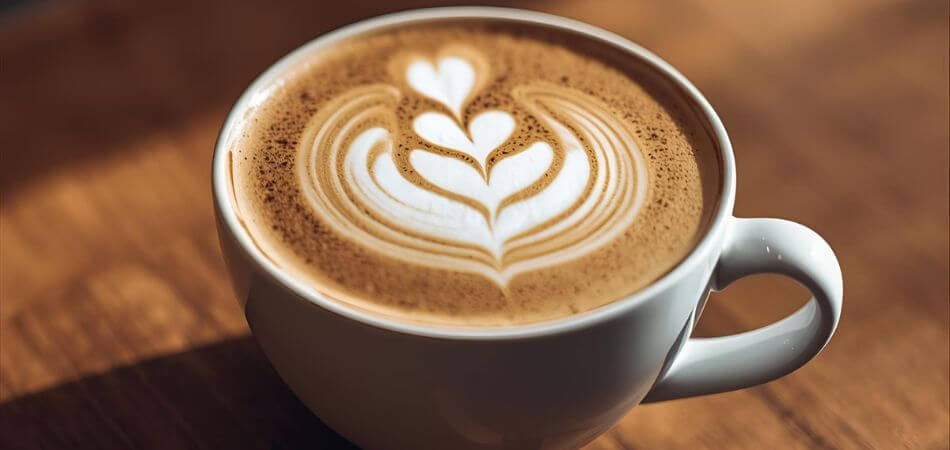
If you’re deciding between a latte and another coffee drink, it’s helpful to compare their caffeine content. Here’s how a latte stacks up against some other popular coffee beverages:
| Drink | Caffeine Content |
|---|---|
| Latte (1 shot) | 63 mg |
| Latte (2 shots) | 126 mg |
| Americano (1 shot) | 63 mg |
| Americano (2 shots) | 126 mg |
| Cappuccino (1 shot) | 63 mg |
| Cold Brew (12 oz) | 150 mg |
Latte vs. Americano:
Both a latte and an Americano typically have the same caffeine content, assuming the same number of espresso shots. The difference lies in the texture and flavor: a latte has steamed milk, while an Americano is made by adding water to espresso, making it a stronger, more intense coffee flavor.
Latte vs. Cappuccino:
Like a latte, a cappuccino contains espresso. However, a cappuccino has more foam and less milk than a latte, resulting in a more concentrated coffee flavor. The caffeine content is typically the same in both drinks, assuming the same number of espresso shots.
Latte vs. Cold Brew:
Cold brew coffee packs a significant punch with higher caffeine content. While a 12-ounce latte with two shots of espresso contains about 126 mg of caffeine, a 12-ounce cold brew could contain around 150 mg of caffeine, depending on the coffee brand and brewing method.
Health Considerations
It’s important to be mindful of your caffeine intake, especially if you’re drinking multiple lattes in a day. According to the U.S. Food and Drug Administration (FDA), most healthy adults can safely consume up to 400 mg of caffeine per day—about four 8-ounce cups of brewed coffee or four standard lattes.
However, drinking more than this can lead to unwanted side effects, such as:
- Jitters: If you’re sensitive to caffeine, drinking too much can cause anxiety and jitteriness.
- Trouble Sleeping: Caffeine can interfere with your sleep patterns, so avoid drinking lattes late in the afternoon or evening.
- Increased Heart Rate: Too much caffeine can lead to an elevated heart rate, especially if you’re consuming several lattes.
How Much is Too Much?
If you’re having more than one or two lattes a day, it’s important to track your total caffeine intake. Be mindful of other sources of caffeine, such as tea, chocolate, and certain medications.
How to Adjust Caffeine Intake in a Latte
If you love lattes but want to control your caffeine intake, here are a few options you can consider:
1. Go Decaf:
If you still crave the taste of a latte without the caffeine boost, opt for a decaf latte. A decaf espresso shot has a significantly lower caffeine content—usually around 2 mg of caffeine per shot—so you can still enjoy the creamy texture and rich flavor of a latte without the jittery side effects.
2. Ask for Fewer Shots:
You can customize the number of espresso shots in your latte. Requesting just one shot instead of two (or more) will reduce the overall caffeine content.
3. Use Alternative Milks:
While alternative milks like almond or oat milk won’t affect the caffeine content, they can change the texture and flavor of your latte, which might be a consideration if you’re looking to reduce overall caffeine intake while enjoying a creamy taste.
Conclusion
So, how much caffeine is in a latte? The answer depends on the number of espresso shots, with a typical latte containing around 63 mg of caffeine per shot. Whether you’re enjoying a small latte or a large venti, it’s important to understand how much caffeine you’re consuming, especially if you’re sensitive to it or trying to manage your intake.
Now that you know the factors that influence caffeine levels in your latte, you can enjoy your coffee while staying informed. Whether you prefer your latte strong or mild, customizing your drink is as easy as adjusting the number of espresso shots or choosing a decaf option.
FAQs
How much caffeine is in a large latte?
A large latte typically contains two shots of espresso, which means about 126 mg of caffeine.
Can a latte give you too much caffeine?
If you have multiple lattes throughout the day, it’s easy to exceed the recommended daily caffeine limit of 400 mg. It’s best to keep track of how much caffeine you’re consuming.
What’s the difference between a latte and a cappuccino in terms of caffeine?
Both drinks contain espresso and typically have the same caffeine content, but a cappuccino has more foam and less milk than a latte.
How much caffeine is in a 250ml latte?
A 250ml latte typically contains about 80–100 mg of caffeine, depending on the type and strength of the espresso used.
How much caffeine is in a 2 shot latte?
A 2-shot latte typically contains about 126–154 mg of caffeine, depending on the espresso beans and brewing method.